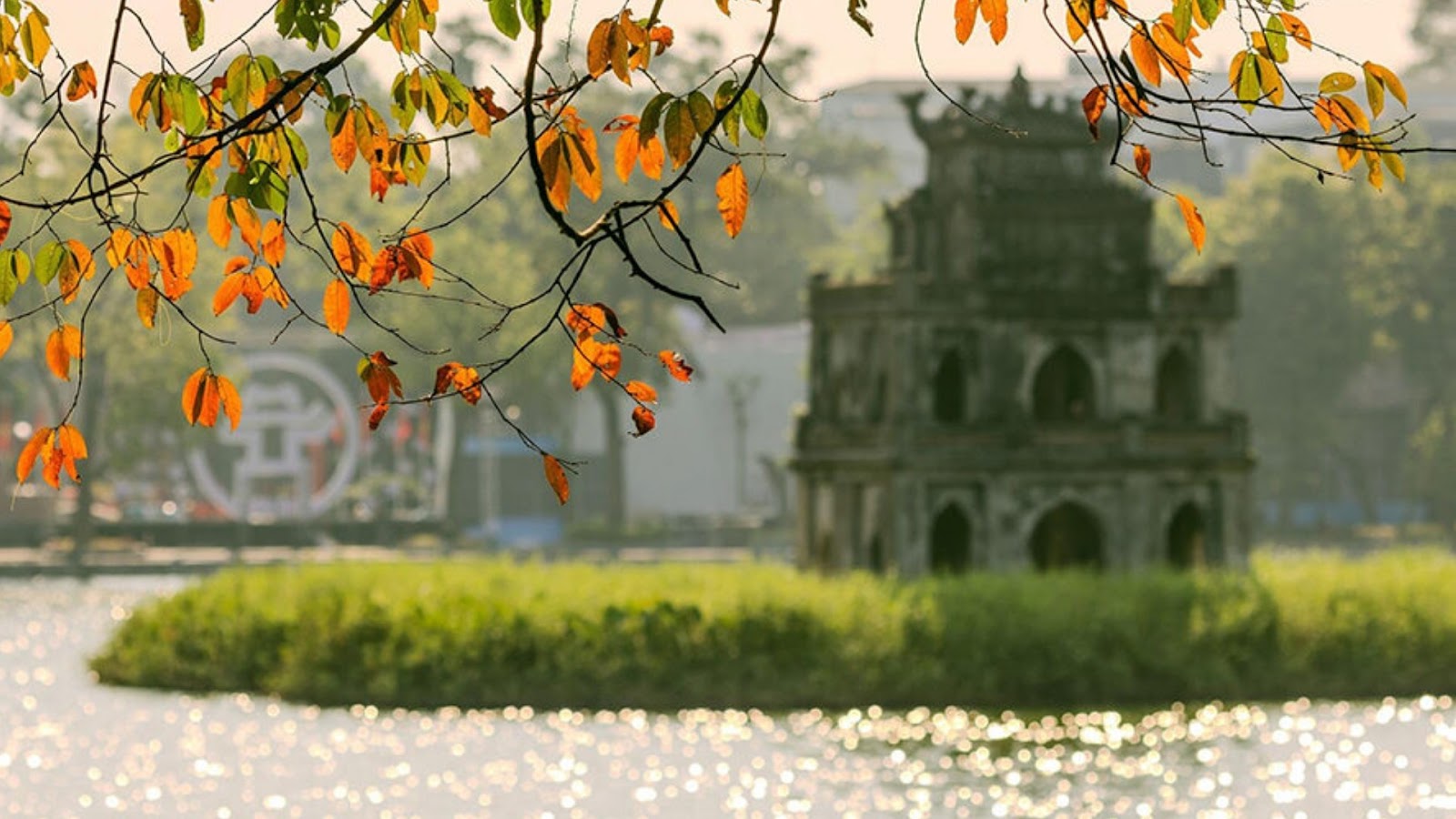
When Is the Best Time to Visit Vietnam? A Seasonal Guide
Vietnam, shaped like an “S” and influenced by monsoons, offers varied climates from north to south. Da Nang marks the climatic “border”: the north experiences a winter, while the south is almost always warm.
To make the most of your trip, plan your itinerary according to the seasons. Our tips, based on our experience and advice from locals, will help you avoid unpleasant weather surprises.
December through February: Mild Winter in the South and Central Regions
This period is ideal for the South (Saigon, Phú Quốc, the Mekong Delta) and the Central Highlands (Đà Lạt), as well as the coastline all the way to Mũi Né. The weather there is mostly sunny, perfect for exploring the scenery and local life in the Delta or enjoying the beaches. Although the far north (Sapa, Ha Long Bay) isn’t the main destination, you won’t be disappointed by what you discover elsewhere.
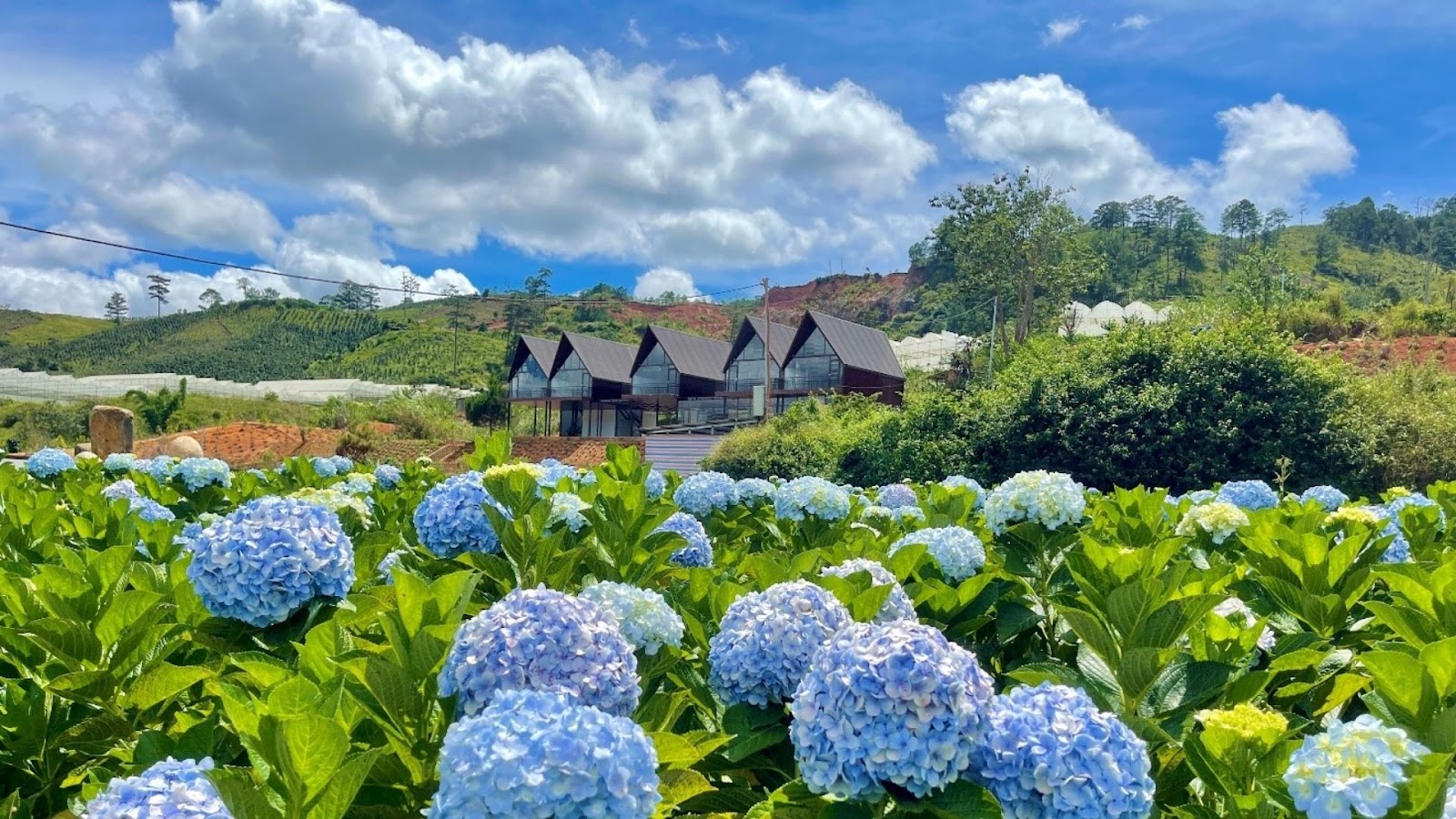
March to April: Vietnam’s Spring Awakening
This is the perfect time to explore a very large part of the country. The South and the Central Highlands are magnificent. The Central region (Huế, Hội An, Nha Trang, Quy Nhơn) also enjoys ideal weather. In the North, the dry season begins: Hanoi and its surroundings, as well as mountain hikes among ethnic minority communities, are very pleasant. For Ha Long Bay, it’s best to wait a little longer to fully enjoy it.

May to June: Heat and the First Summer Rains
This period is ideal for the Central region (Huế, Hội An, Quy Nhơn, Nha Trang) and islands such as Côn Đảo. In the South, the rainy season begins, with heavy, brief downpours that quickly give way to sunshine. Saigon and the lush Central Highlands remain worth visiting. Ha Long Bay is clearer, revealing all its splendor. The North, with its ethnic minorities and mountainous landscapes, as well as Hanoi for its culture, are also good options. Be aware that the weather can be extremely hot and humid with frequent showers starting in early June, except on the beaches.

July to August: Summer, Heat, and Scenic Beauty
This is the peak tourist season. The climate is very hot and humid, especially in the cities, making sightseeing more challenging. However, after heavy downpours, the sky clears up and becomes sunny again. The landscapes of the north—with the lush green rice paddies of Sapa and the terraced fields of Ha Giang—are particularly magnificent. In Ha Long Bay, typhoon season can lead to the cancellation of cruises for safety reasons, but the weather remains ideal for kayaking or swimming.
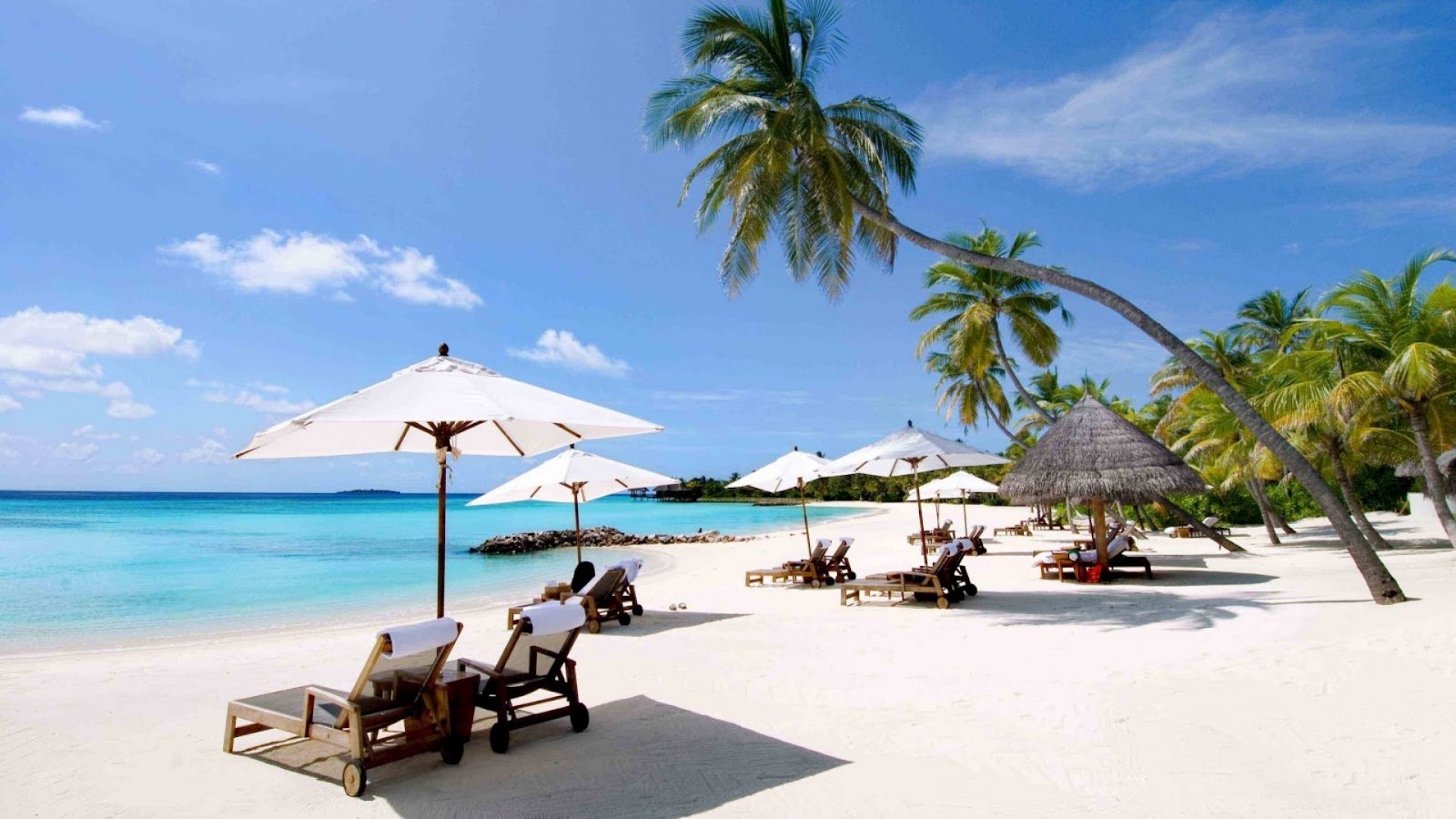
September through November: Fall, Ideal for the North
This is the best time to visit the North, including Ha Long Bay and its major attractions, the landscapes of Ninh Binh, and the spectacular winding roads of Ha Giang. However, typhoons can strike the Huế and Hội An regions and the central coast. The South is still in the rainy season. To help you plan further, check out our dedicated article on the best season based on your preferences or request a customized quote tailored to your travel dates.