
Why Ha Giang?
Ha Giang is a captivating destination with its towering karst mountains, verdant valleys, and unique ethnic villages. This region is distinguished by its unspoiled nature and the spectacular beauty of the Đồng Văn stone plateau, with its rugged mountain passes and magnificent terraced rice paddies. Ha Giang is the perfect place to discover local ethnic cultures, breathe in the fresh air, and experience exciting adventures.
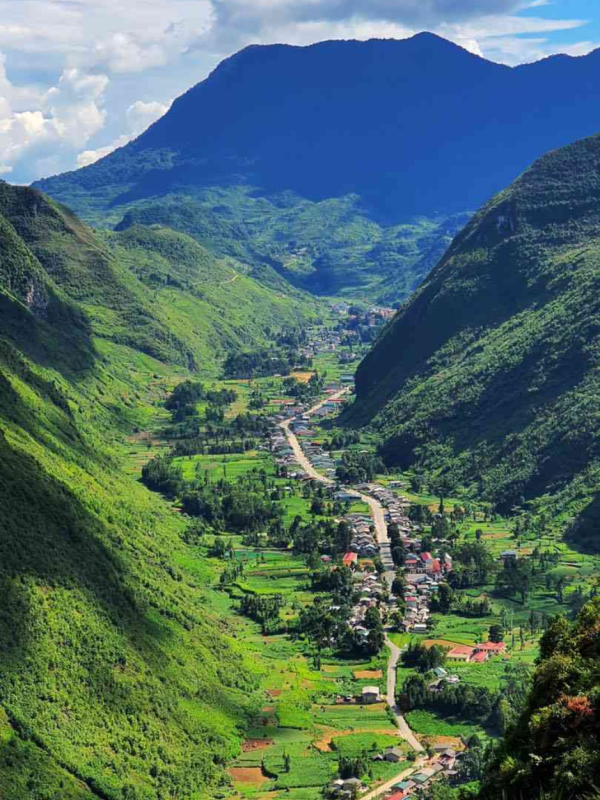
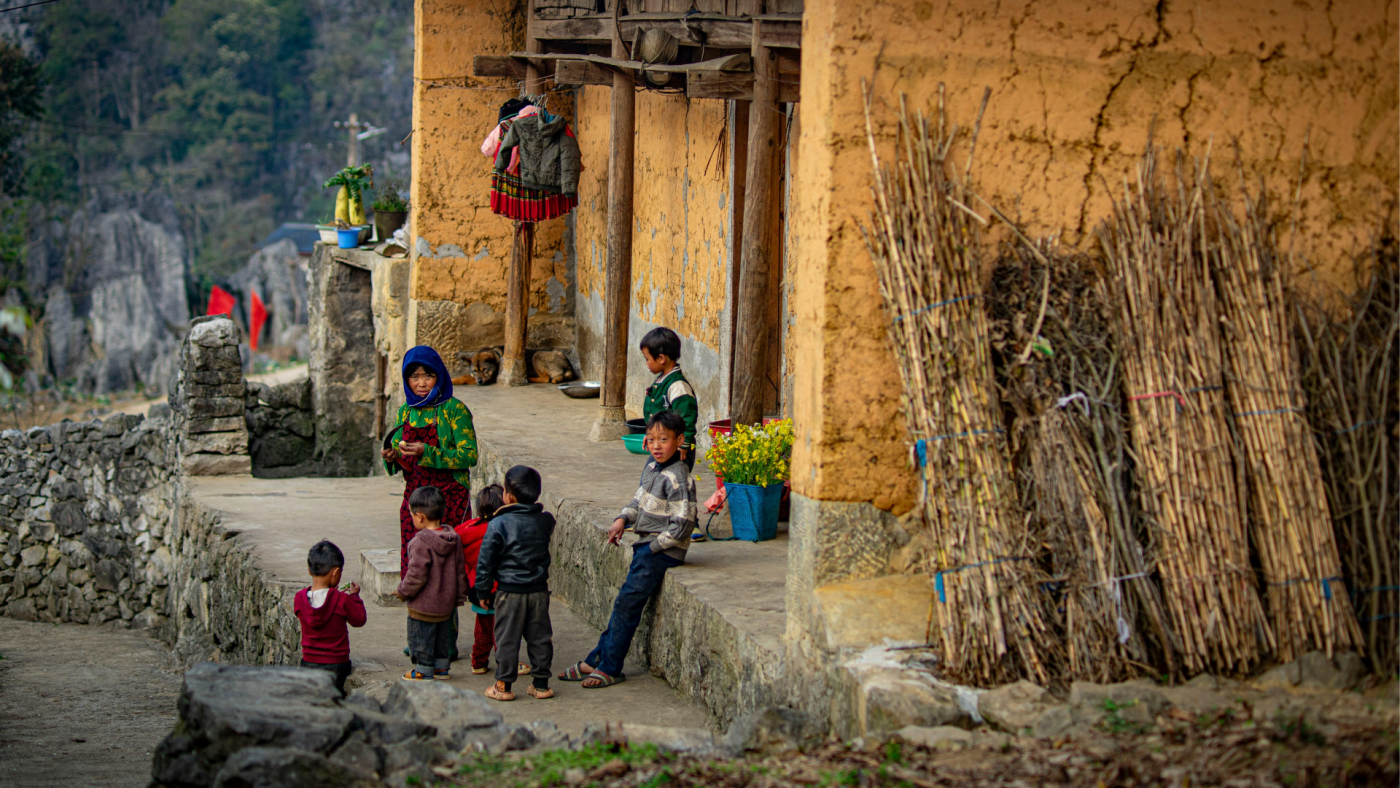
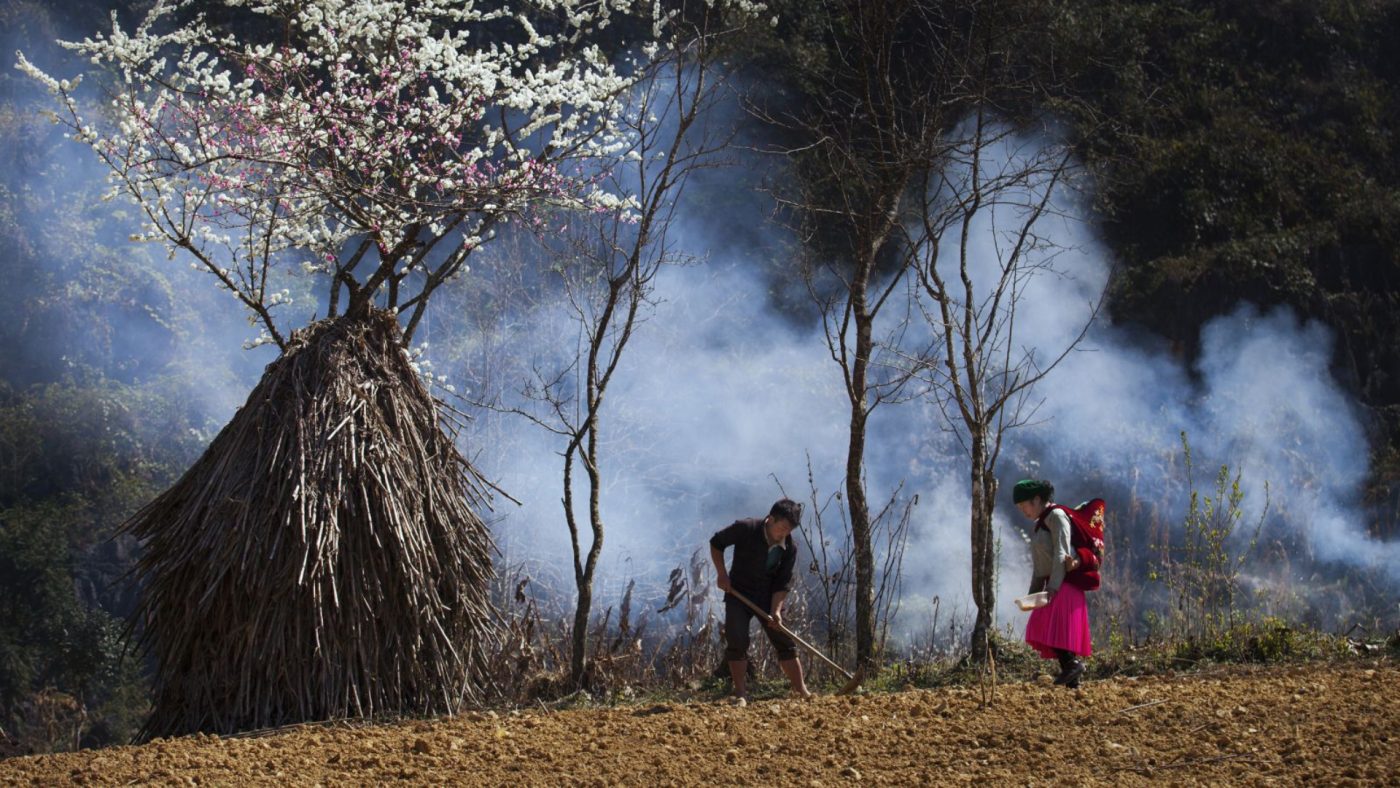
Ha Giang – The majestic highland region in the far north of the homeland
Located in the far north of Vietnam, Hà Giang is a province that embodies adventure and authenticity. Renowned for its breathtaking landscapes, it boasts majestic karst mountain ranges, deep valleys, and picturesque ethnic villages where traditions are still vibrant.
Ha Giang captivates travelers with its wild and unspoiled beauty, year-round cool climate, and spectacular mountain roads, including the famous Ma Pi Leng Pass, nicknamed the “King of Passes.” This region is also a true melting pot of cultures, home to numerous ethnic minorities whose traditional customs and ways of life weave a rich and unique cultural mosaic.
Visiting Ha Giang is much more than simply admiring the scenery. It’s an invitation to experience a simpler way of life, discover a fascinating local culture, savor authentic traditional cuisine, and immerse yourself in breathtaking nature. Prepare for an unforgettable adventure in the heart of unspoiled Vietnam.
MORE INFORMATION

transport
Car from Hanoi.

Best Time to Visit
February to April, September to November – ideal seasons to admire mountain landscapes and flowers in full bloom.

Types of tour
Tours including Hà Giang – nature, adventure, off the beaten track, cultural immersion.

Suggested Itinerary
An intermediate step in your journey through the North, after discovering Hanoi.
Ma Pi Leng Pass
Mã Pí Lèng Pass: The “King of Passes” of Hà Giang
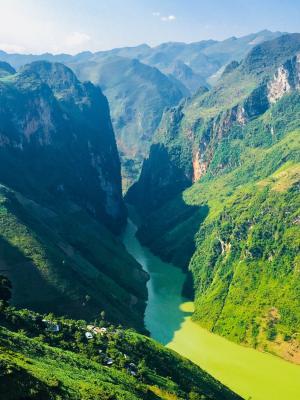
Nicknamed the “King of Passes,” the Ma Pi Leng Pass is an iconic section of the “Happiness Road” in Ha Giang. Approximately 20 km long, it winds its way up steep limestone cliffs at an altitude of over 1,200 meters. From the summit, the view of the emerald-blue Nho Que River, meandering through the deep gorges, is absolutely spectacular and breathtaking. It’s an ideal stopping point for thrill-seekers and lovers of unspoiled nature.
Dong Van Stone Plateau
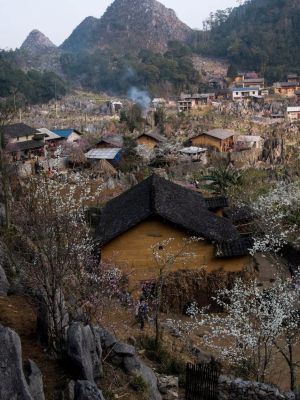
The Đồng Văn Karst Plateau, a UNESCO Global Geopark, is a vast expanse of ancient limestone formations with strange shapes, creating a unique landscape. It is home to ethnic minorities (H’Mông, Tày, Dao) with rich cultures and vibrant traditions. Explore ancient stone villages, discover local life, and admire the buckwheat fields in bloom in autumn. A deep immersion into authentic Vietnam.
Lung Cam Cultural Village (Pho Bang)
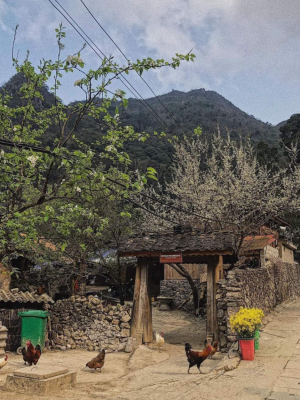
Nestled in the majestic karst plateau of Ha Giang, Lung Cam is an ancient village renowned for its traditional H’Mong stone houses. Made famous by the film “The Story of Pao,” it offers stunning scenery and a serene atmosphere. Visitors can stroll through the village to admire the ancestral architecture and immerse themselves in the local culture by observing weaving or agricultural practices. An authentic stop to discover the soul of Ha Giang.
Sung La Valley
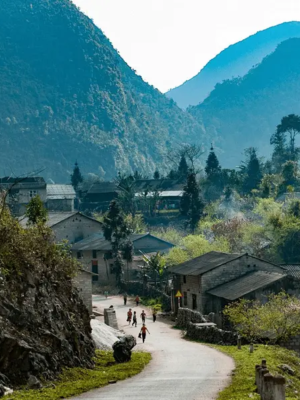
Nestled in the heart of the Hà Giang mountains, the Sủng Là Valley is famous for its spectacular fields of buckwheat flowers (tam giác mạch), in full bloom from October to December. This valley offers a peaceful atmosphere and picturesque landscapes. You will also discover numerous traditional mud-brick houses (nhà trình tường), a testament to the rich culture of the H’Mông and other ethnic minorities. An immersive experience awaits, blending stunning nature with authentic heritage.
Old quarter of Dong Van
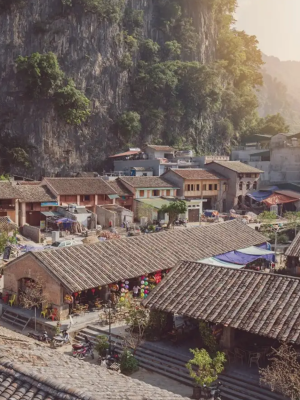
The city center of Đồng Văn is a true architectural gem nestled in the heart of the Đồng Văn Karst Plateau. This district, with its ancient and preserved architecture, is a living testament to the fusion of Chinese culture and the ethnic minorities of the Vietnamese highlands.
The old town is distinguished by its charming houses with moss-covered tile roofs, offering a glimpse into the past. Stroll through its streets to discover craft shops offering unique souvenirs, and soak up the authentic atmosphere of the traditional local market.
It’s the perfect place to find souvenirs, savor regional culinary specialties with unique flavors, and immerse yourself in the vibrant and characteristic atmosphere of this mountain plateau. The Old Quarter of Đồng Văn is not just a place to visit; it’s a sensory experience that connects you directly to the soul and traditions of Hà Giang.
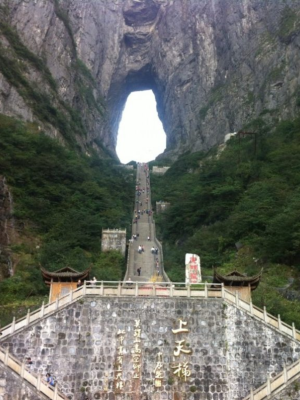
Quan Ba’s Gate of Paradise
Perched atop the Quản Bạ pass, the Heavenly Gate offers breathtaking views of the lush valley and the famous twin mountains of Cô Tiên. In the morning, a sea of clouds creates a magical atmosphere, perfect for photos. It’s also an excellent starting point for exploring the surrounding ethnic villages and sites.
Vuong Family Manor
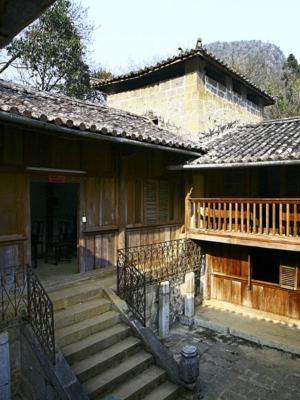
The H’Mong King’s Palace, or Dinh Thự Vua Mèo, is a unique architectural work and a fascinating testament to the history of Hà Giang. Built in the early 20th century by the powerful H’Mong leader, Vương Chí Sình, this palace is distinguished by its eclectic style, harmoniously blending Chinese architectural influences and local traditional elements.
Spanning an impressive area of approximately 1,500 square meters, the residence comprises multiple rooms, vast courtyards, an ancestral temple, and various annexes. Far more than a mere dwelling, this fortress symbolized the power, wealth, and authority of the Vương clan over the region.
Today, the H’Mong King’s Palace is a major cultural and historical attraction in Ha Giang, offering visitors a captivating glimpse into the past. It is an essential stop for understanding the role of local lords and the complex social dynamics of this mountainous region. A visit here significantly enriches the experience of any traveler exploring the highlands of Northern Vietnam.
Highlands Market
Ethnic markets of the North – A cultural kaleidoscope in the mountains
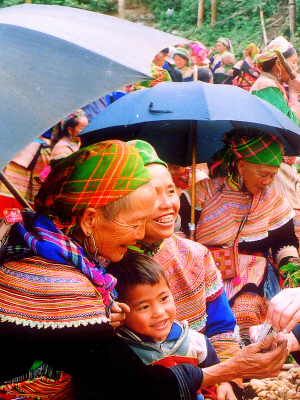
Periodic markets like Đồng Văn, Bắc Mê or Lũng Phìn are much more than just places of exchange: they are true cultural festivals of minority ethnic groups.
Here, visitors can admire colorful traditional costumes, taste local specialties, and immerse themselves in the vibrant atmosphere of the mountains.
These markets are also spaces for meeting and sharing, where communities preserve their cultural identity in the heart of a magnificent natural setting.

