
Encounter with Indigenous Peoples and Terraced Rice Fields
The town of Sapa in Vietnam is a former mountain health resort, established in 1922 in the heart of a magnificent valley near the Chinese border. More than the town itself, it is the area surrounding Sapa that is truly spectacular. Composed of mountain rice terraces shaped by generations of farmers, the region is ideal for superb hikes, offering an authentic immersion in an ancestral way of life.
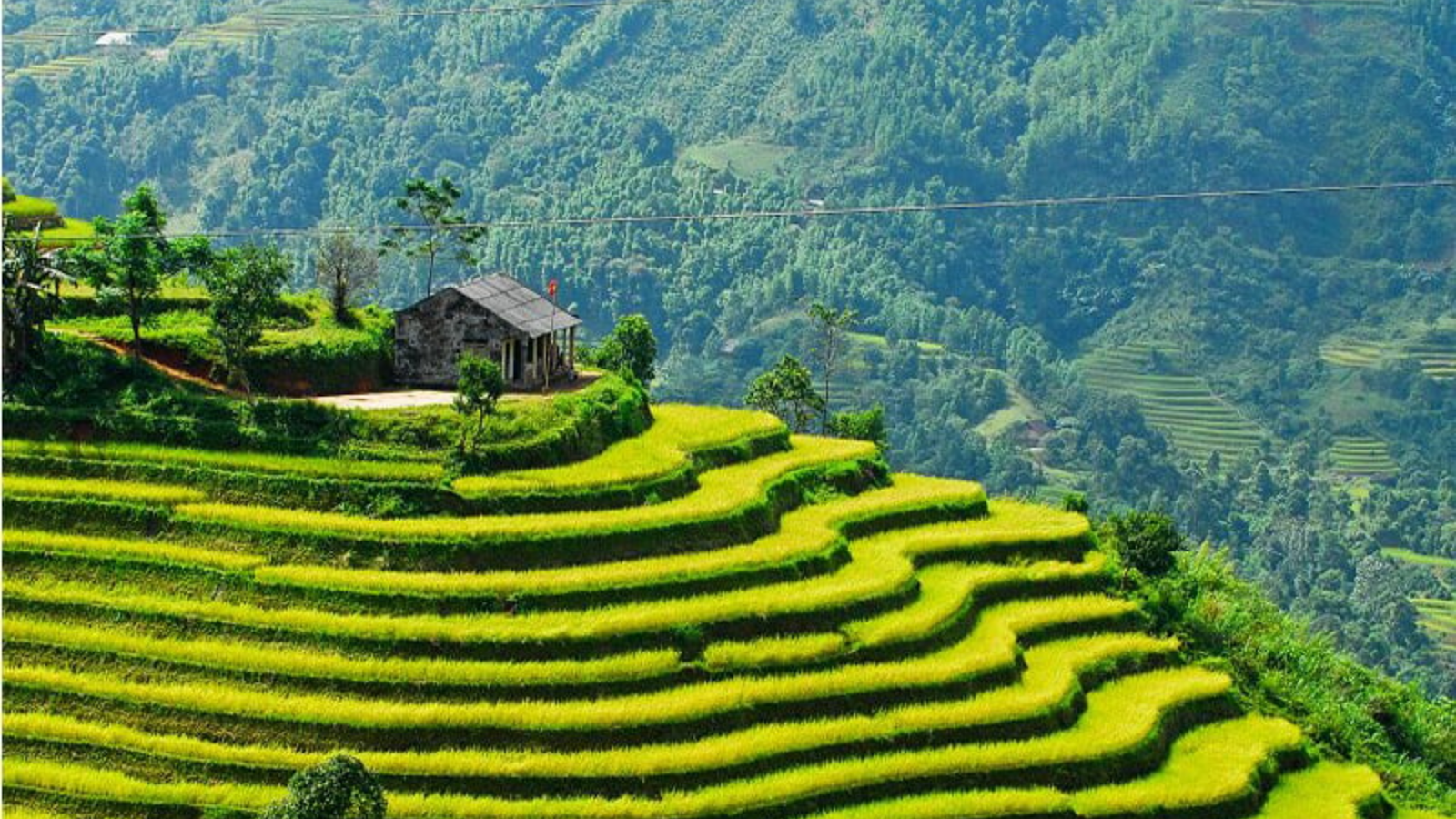
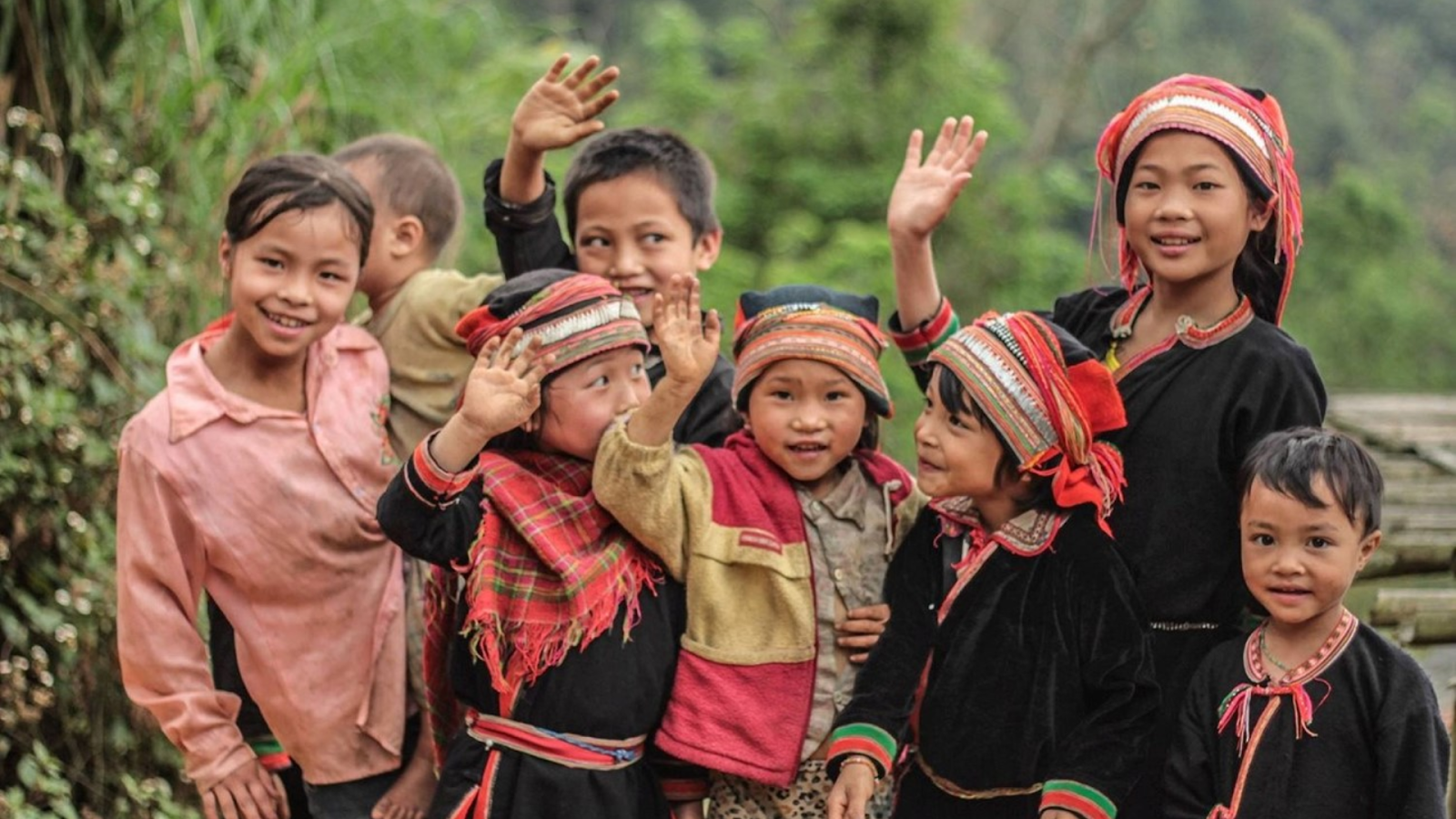
Sapa’s unique character lies in its ethnic minorities. Many of them still live according to their ancestral traditions, proudly wearing their colorful traditional clothing—symbols of their tribes—and cultivating the land with their water buffalo.
This authenticity is particularly palpable as you venture away from the city center. The surrounding villages promise a true cultural change of scenery and a deep immersion in local ways of life. With Lys d’azur Travel, we generally prioritize homestays for an unforgettable cultural immersion experience.
This guide will provide you with all the information you need to plan your trip to Sapa during your visit to Vietnam, including practical advice and the best activities to enjoy.
Location and How to Get to Sapa
Sapa is located in northern Vietnam, in the Upper Tonkin region. The town sits at an elevation of 1,650 meters on the slopes of Mount Lo Suay Tong, in the northwest of Lao Cai Province. It is approximately 38 km from the city of Lao Cai and 376 km from Hanoi.

Since it is located high in the mountains and has no airport, Sapa is accessible only by road. From Hanoi, the most popular way to get to Sapa is by overnight train. However, thanks to the opening of a new highway in 2014, Sapa is also accessible by bus, which is a faster option.
-
By train: The overnight train ride takes about 8 to 9 hours. You depart from Hanoi around 10 p.m. and arrive in Lao Cai around 5 a.m. The train stops only at Lao Cai, the province where Sapa is located. From the Lao Cai train station, it takes an additional hour by car or minibus to reach Sapa. The journey is scenic, offering views of jungle landscapes along the way, in comfortable sleeper cars.
-
By bus: Daily buses depart from Hanoi at 6:30 a.m. or 10:00 p.m. The one-way trip takes between 6 and 7 hours. Traveling by bus is a fast and economical option. We recommend checking the schedules and booking in advance.
-
By car: For those who prefer flexibility, it’s possible to reach Sapa by car in about 5 hours.
Where to Stay in Sapa?
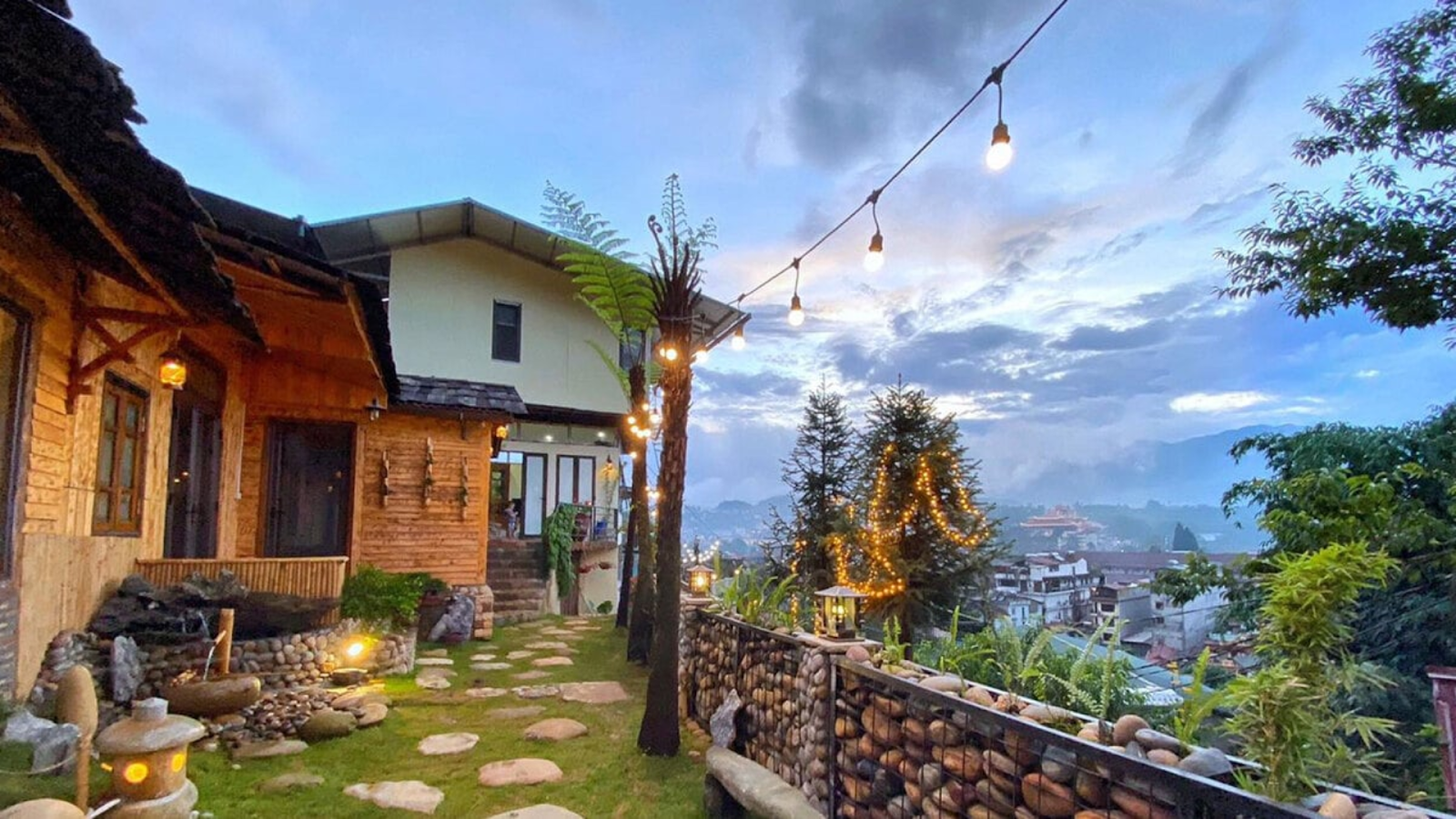
Since Sapa is a popular tourist destination, finding a place to stay is not difficult. From affordable hostels to luxury hotels, Sapa offers a variety of accommodations to suit all tastes and budgets. If you travel with us, we’ll always offer you the best value-for-money options based on your preferences. From a cultural perspective, the most enriching option is to stay with local families in the surrounding villages.
Sapa’s Climate
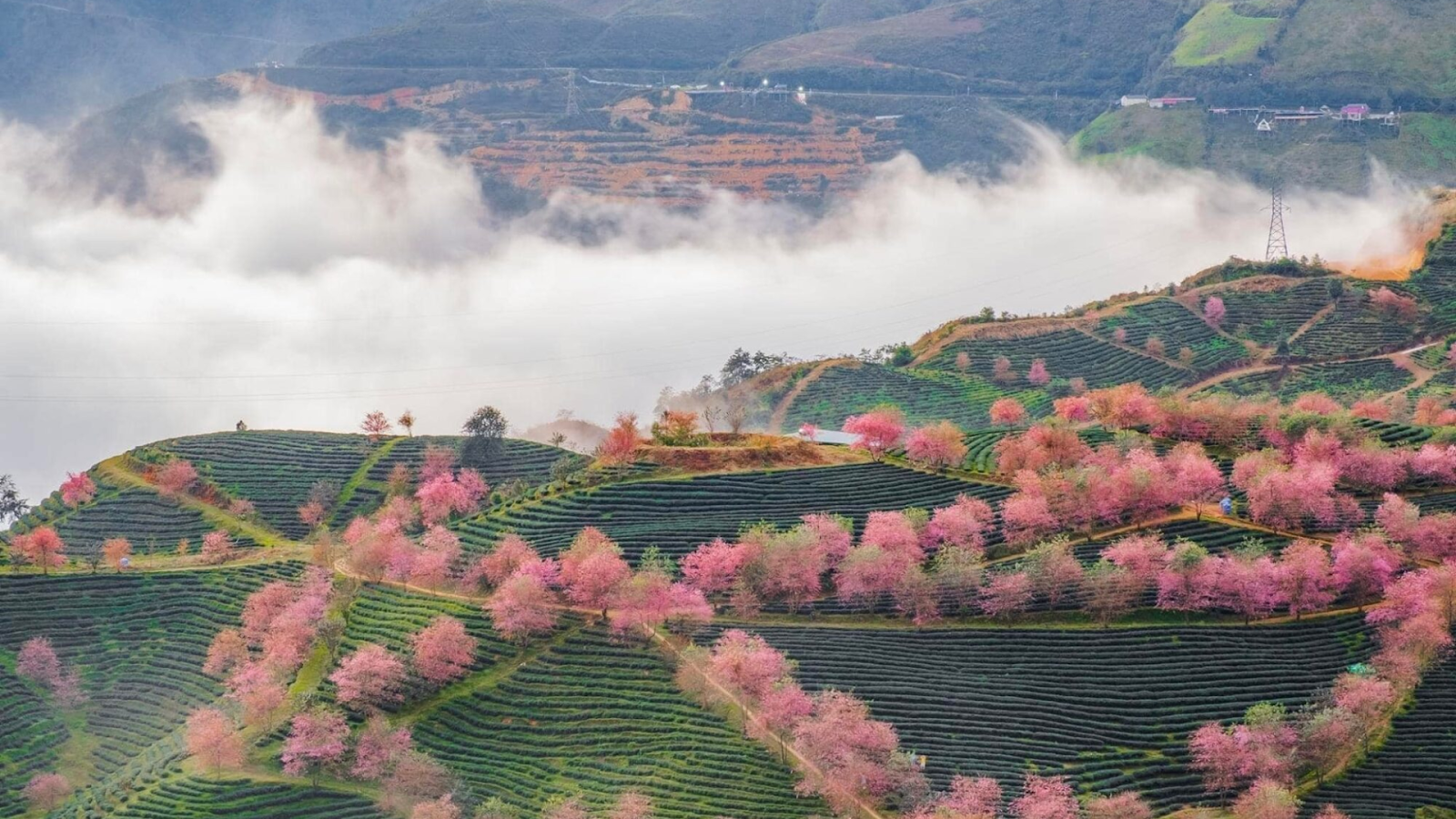
The town of Sapa enjoys a mild and cool climate year-round, even during the hottest summer months, when temperatures rarely exceed 23–24°C.
During the winter (January and February are generally the foggiest months), the Sapa region is often shrouded in thick fog. It has even snowed in Sapa on a few occasions (notably in 1922 and 1971), with temperatures dropping as low as 0°C. From March through May, the climate is very pleasant, as it is in summer and fall.
The rainy season runs from May through September, with the heaviest rainfall in July and August. However, the rains—though sometimes intense—are generally short-lived and refreshing, and do not unduly disrupt activities.
When Is the Best Time to Visit Sapa?
The best time to visit Sapa is during the harvest season, which runs from August to October depending on the region. The weather is ideal, and the villagers are bustling about in the fields. The terraced rice paddies take on magnificent golden hues, offering breathtaking scenery.
Flora and Fauna
Sapa’s climate, which alternates between cool and mild, is very favorable for growing temperate fruit trees. You’ll find fruits that are rare in Vietnam, such as apples, pears, plums, and peaches. The region is also home to oak and chestnut trees, as well as various types of conifers (pines, cedars). A forest of hundreds of thousand-year-old trees, spanning approximately 240 hectares, attests to the region’s natural richness. Furthermore, the region is a major source of various medicinal herbs.
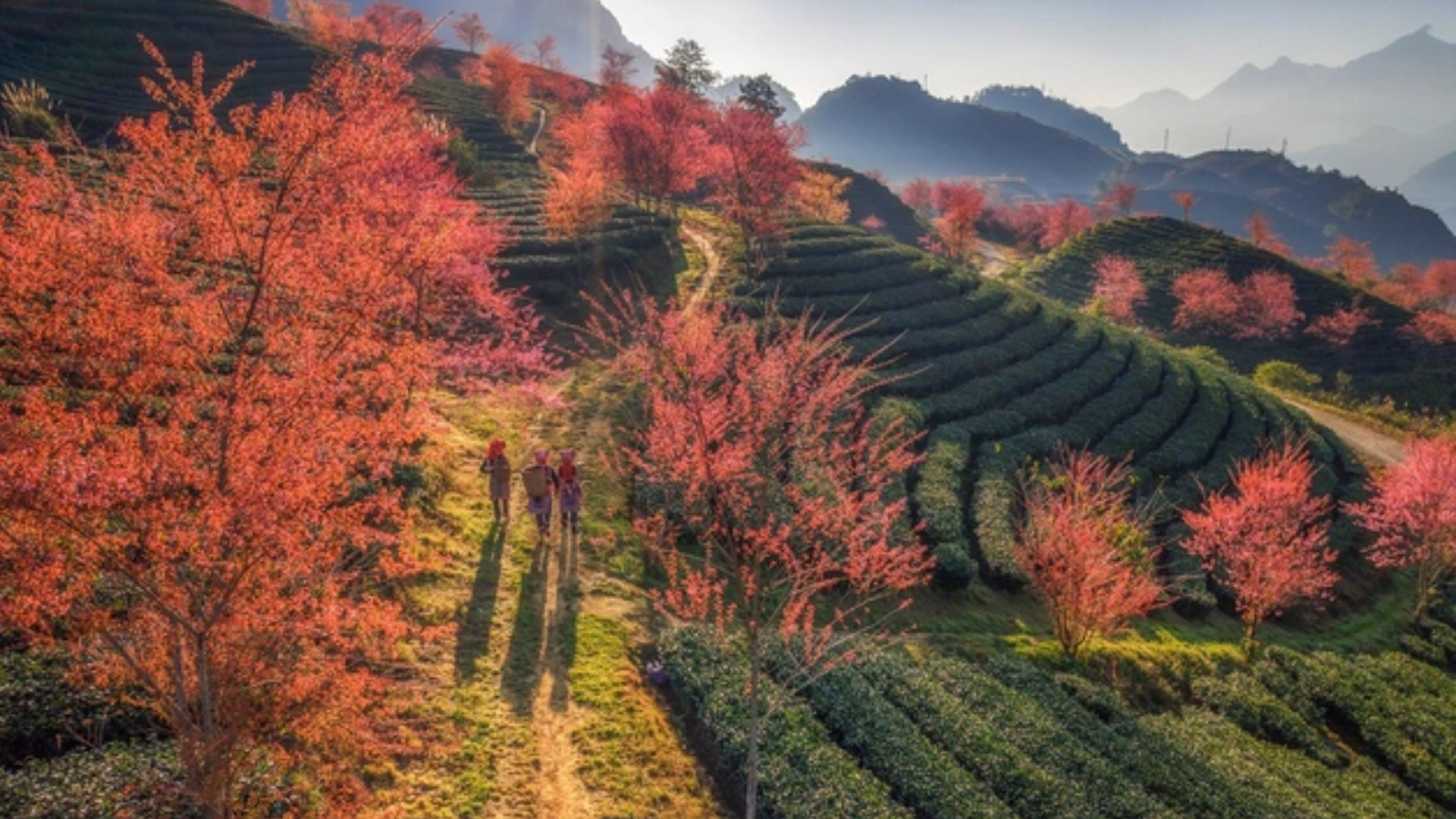
In addition to lush forest flora, the local fauna is also highly diverse, with 66 species of mammals (including the black gibbon and silver-cheeked langurs), 347 species of birds (such as the spotted eagle and the red-crested pheasant), 41 amphibians, and 61 species of reptiles, including recently discovered rare spiked frogs.
What to Do in Sapa?
Hiking in Hoang Lien National Park
Hoang Lien National Park is the region’s main attraction. It is home to more than 2,000 species of plants, trees, azaleas, and flowers, of which approximately 66 are listed as part of Vietnam’s natural heritage (such as the blue cypress, bamboo pine, and red pine).
With such a diverse forest ecosystem, Hoang Lien National Park is considered one of the country’s major centers of biodiversity. It preserves and showcases many aspects of the traditional culture of the ethnic communities living in its core and buffer zones.
The park is vast, offering numerous hiking options for one or more days. Your efforts will generally be rewarded with splendid views of the mountains. We highly recommend combining this experience with a homestay for a fully immersive experience.
Visit to the Ethnic Markets
This is undoubtedly the best way to immerse yourself in local life! On market days, Sapa is bustling with activity: the country’s most colorful ethnic minorities—the Hmong, Dao, Giáy, and Tày—gather there to sell their fresh produce of the day: peaches, plums, tangerines, bamboo shoots, wild mushrooms, honey…
Early in the morning, men and women, accompanied by horses laden with goods, make their way down from the high ridges. They sell their produce and buy others’—bargaining is in full swing! It’s not just food that’s sold. Some run stalls selling handicrafts, traditional clothing, and jewelry… The traditional clothing is dyed with natural dyes, which can sometimes rub off when touched, leaving a bluish tint on your fingers (warning: do not machine wash!).
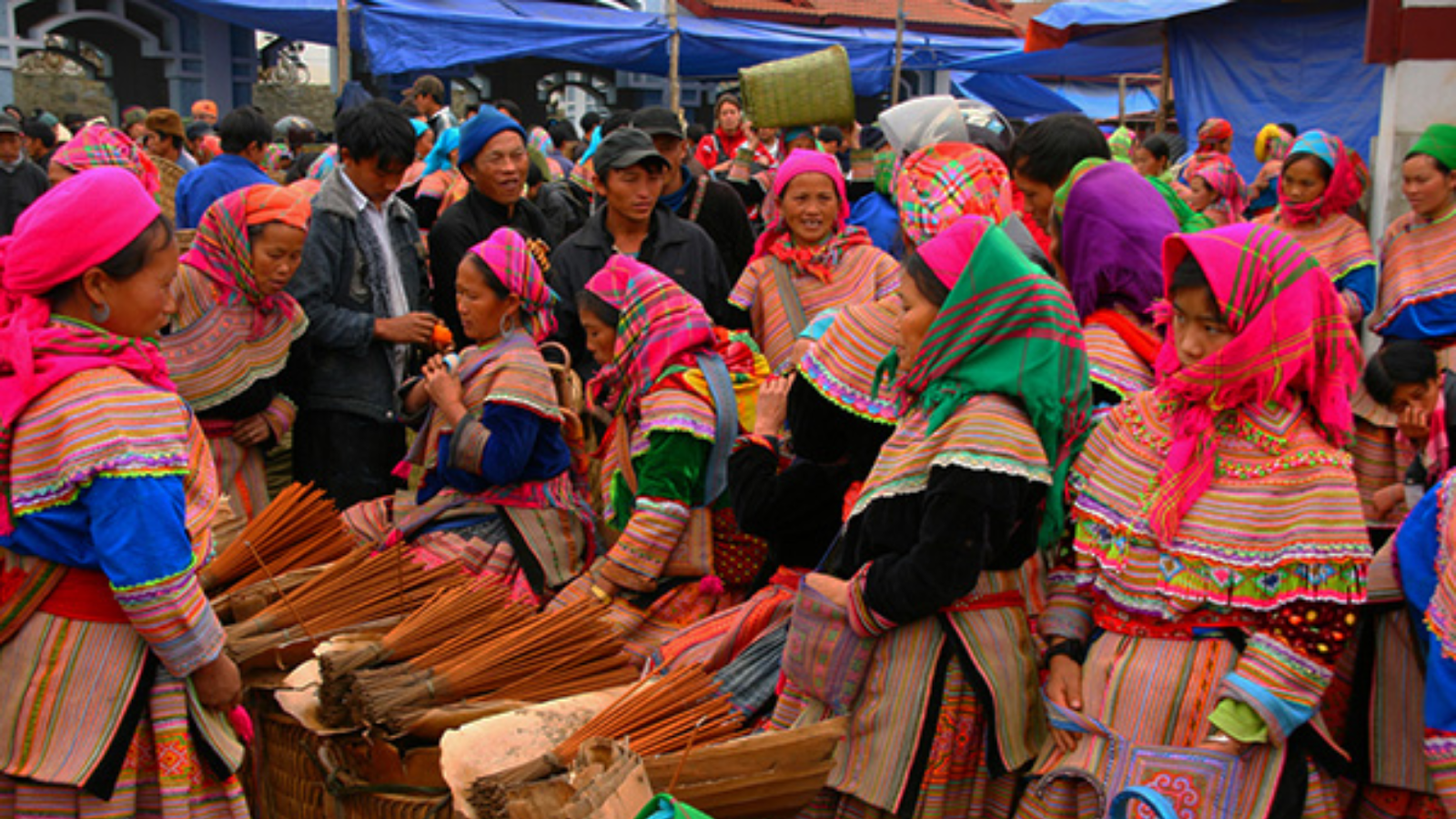
You’ll notice that it’s mostly women who are busy at the market, while men often gather around a pot of “pho”—the mountain dwellers’ favorite dish—or drink rice wine in a friendly atmosphere. The mountain markets are a must-see attraction on your trip to Sapa!
Conquering Mount Fansipan: The Roof of Indochina
Climbing Mount Fansipan is one of the most challenging activities in Vietnam! It is the highest peak in Indochina, rising to 3,143 meters. This place is ideal for adventure seekers and fans of backcountry hiking. The ascent takes place deep within a dense tropical jungle and promises an unforgettable adventure.
Please note: Reaching the summit on foot requires good physical fitness, and the hike takes two to three days. This is a challenging trek reserved for experienced hikers.
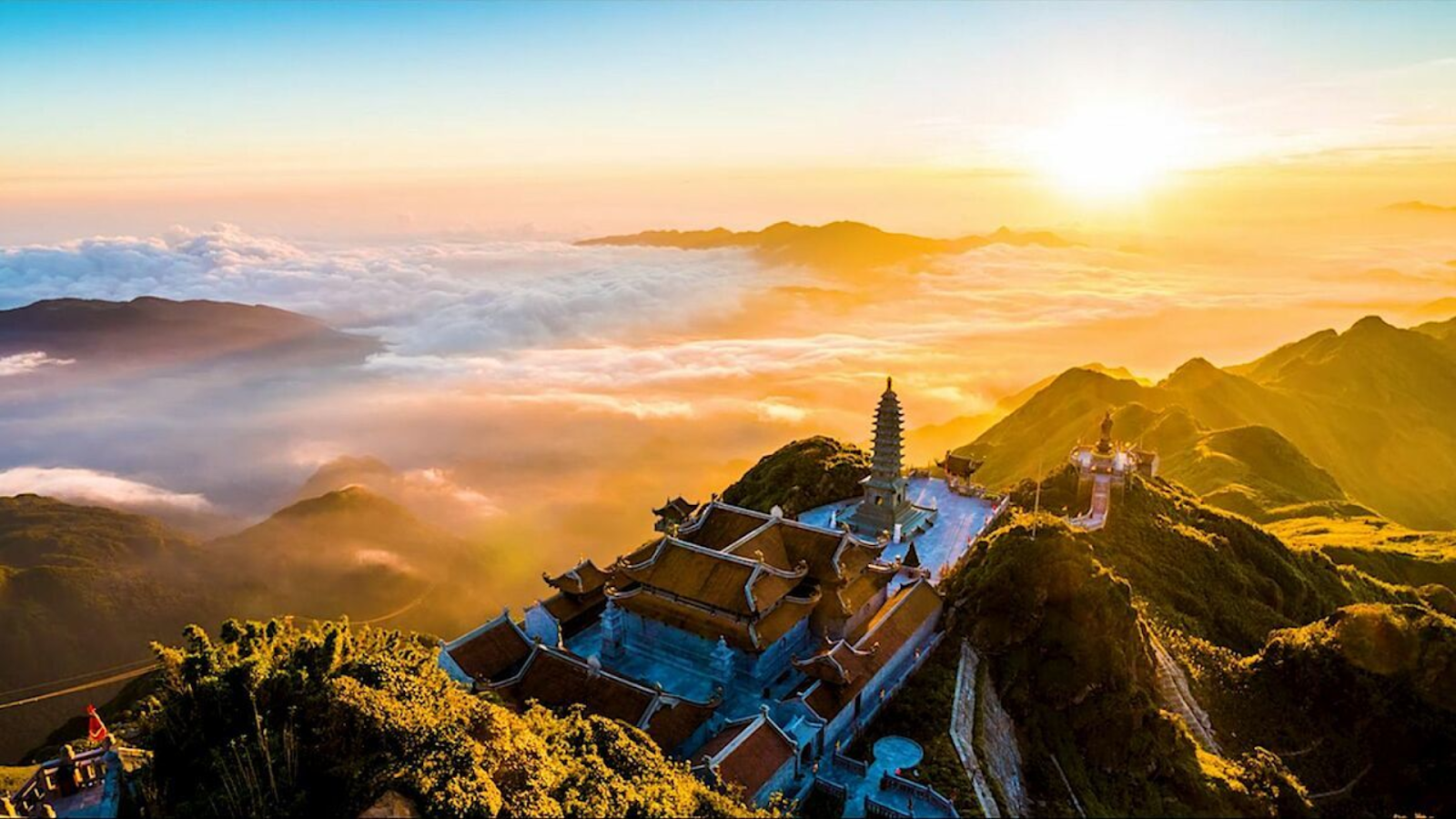
Fortunately, a cable car installed in 2016 allows everyone to reach the summit! The scenic ride in the cable car offers exceptional views. This is also where the “Conquer Fansipan” climbing competition takes place, an international event for athletes from both Vietnam and abroad.
Staying with a Local Family
Staying overnight with a local family promises a unique and authentic experience. You’ll be hosted by local families in simple yet clean and comfortable accommodations. It’s an opportunity to share a genuine family moment with the children and parents. Sharing a meal with the whole household will be the highlight of the experience, allowing you to discover the delicious local cuisine and Vietnamese rice wine.
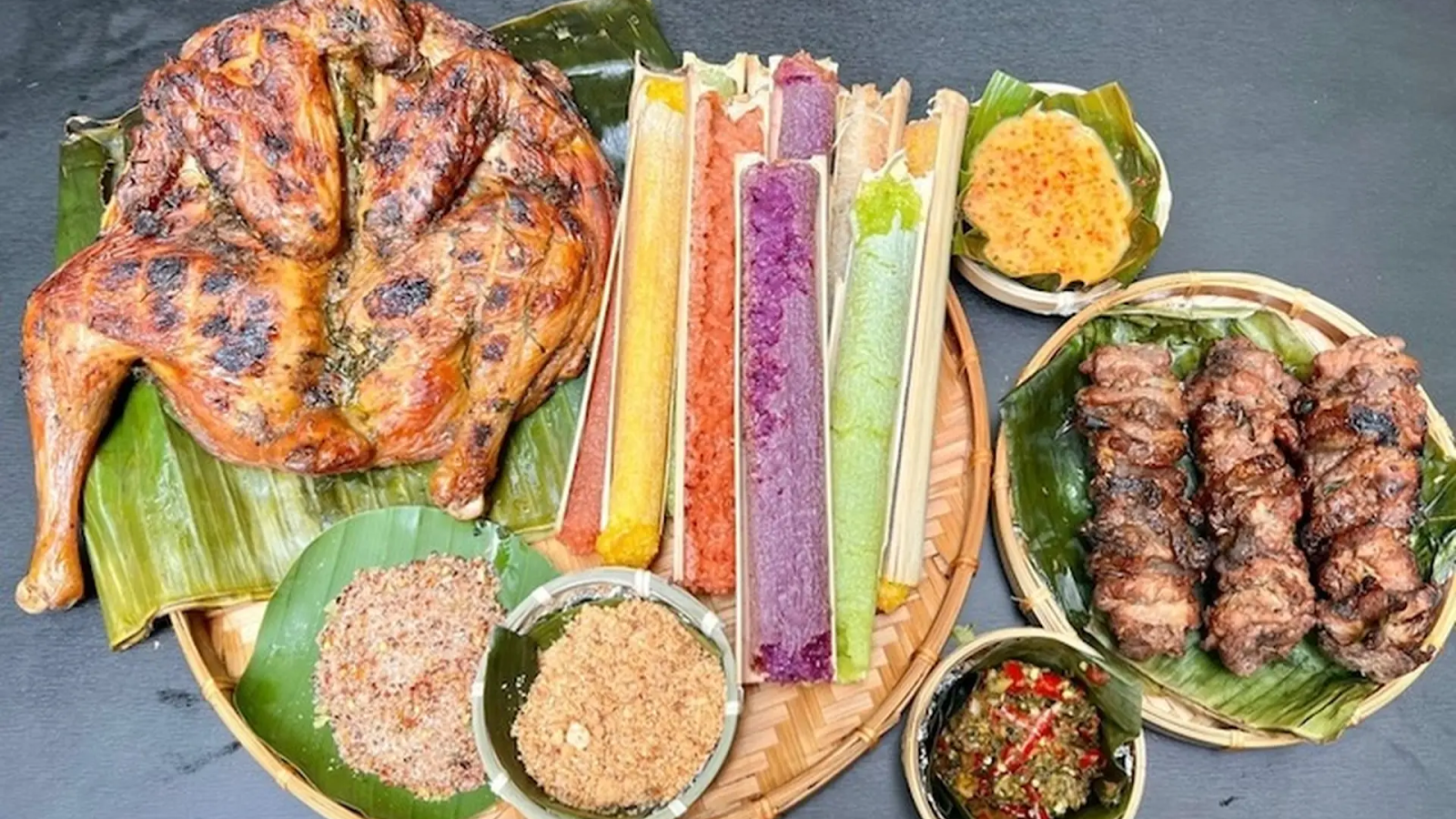
A late-evening stroll around the hamlet invites you to reflect on the differences in living conditions between city dwellers and your hosts. They seem to own nothing, and yet they seem to lack nothing… Who is happier? That’s a big question. That night, you’ll learn more about others—and about yourself!
Thác Bạc Waterfall (Silver Waterfall)
Located 12 kilometers from the center of Sapa, Thác Bạc Waterfall, also known as the Silver Waterfall, is a must-visit spot to cool off, especially in the summer. From its impressive height, it pours silvery water over the cliff, creating a refreshing and majestic spectacle. No matter the season, Thác Bạc Waterfall maintains a relatively high flow rate.
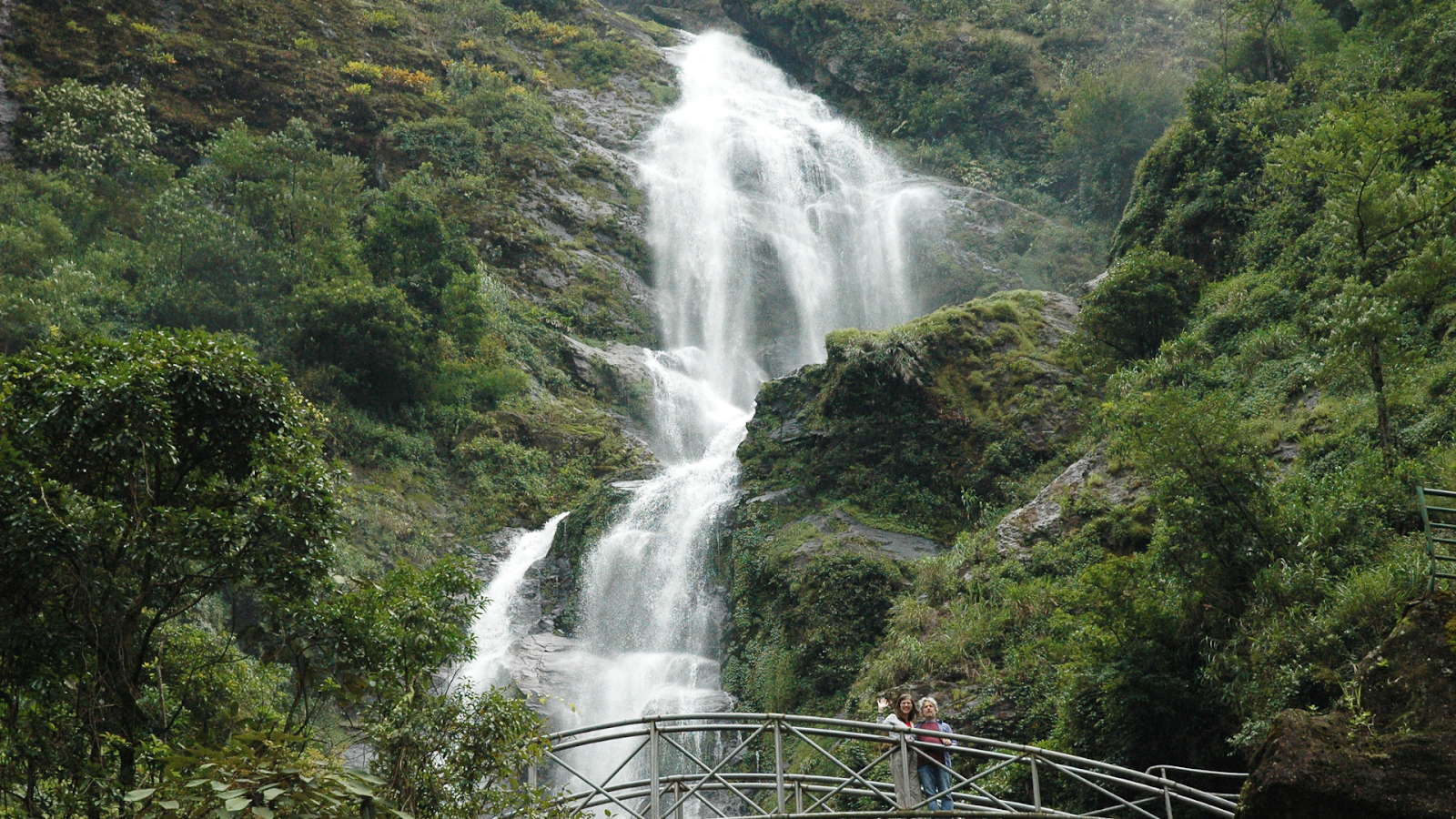
Along the way, you’ll admire Sapa’s landscapes of rice paddies and mountains. On one side of the road are mountains covered in vast pine forests; on the other, fields stretching endlessly into the distance. Unspoiled by mass tourism, Thác Bạc Waterfall is a relaxing destination to recharge your spirit.
The Sapa Church
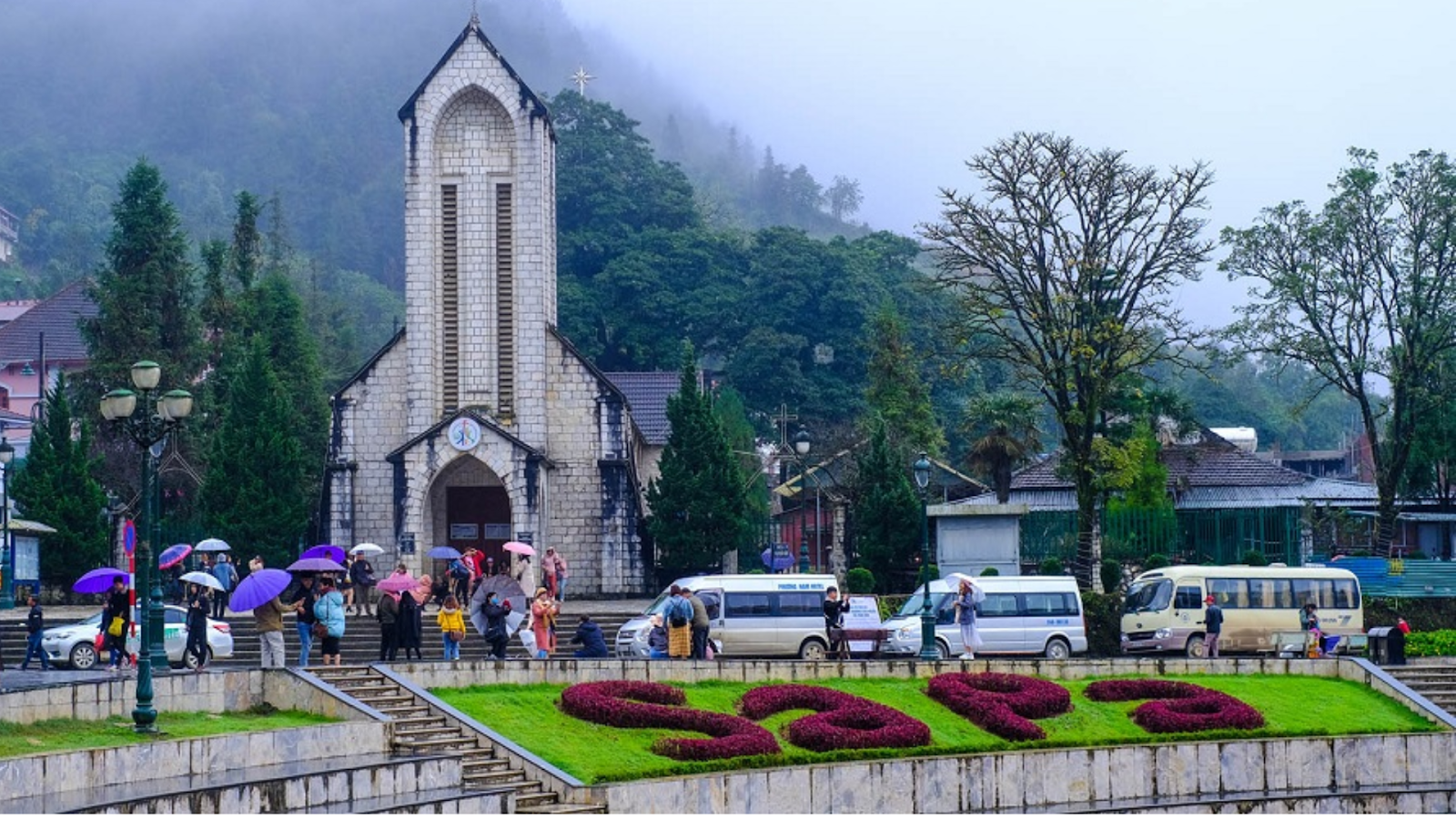
Although the Sapa Church building is not the largest in Vietnam, it is one of the few historic buildings worth visiting in the town and deserves its place on this list. This old church with a beautiful bell tower was built in the 20th century by the French colonizers. Also known as Our Lady of the Rosary Church, it has become a place where traditional cultural practices of ethnic minority groups are celebrated. Located in the city center, Sapa Church fits perfectly into a walking tour of the downtown area.
Tả Phìn Village
Located about 12 km from downtown Sapa, the village of Tả Phìn is one of the must-see sites in the area. The village is home to the Red Dao and the H’Mong, two of Vietnam’s major ethnic minorities.
The village of Tả Phìn is nestled in a valley, surrounded by spectacular mountains and terraced rice fields. Here, you can experience authentic rural life. Surrounded by children, animals, and stunning scenery, it’s a truly memorable experience.
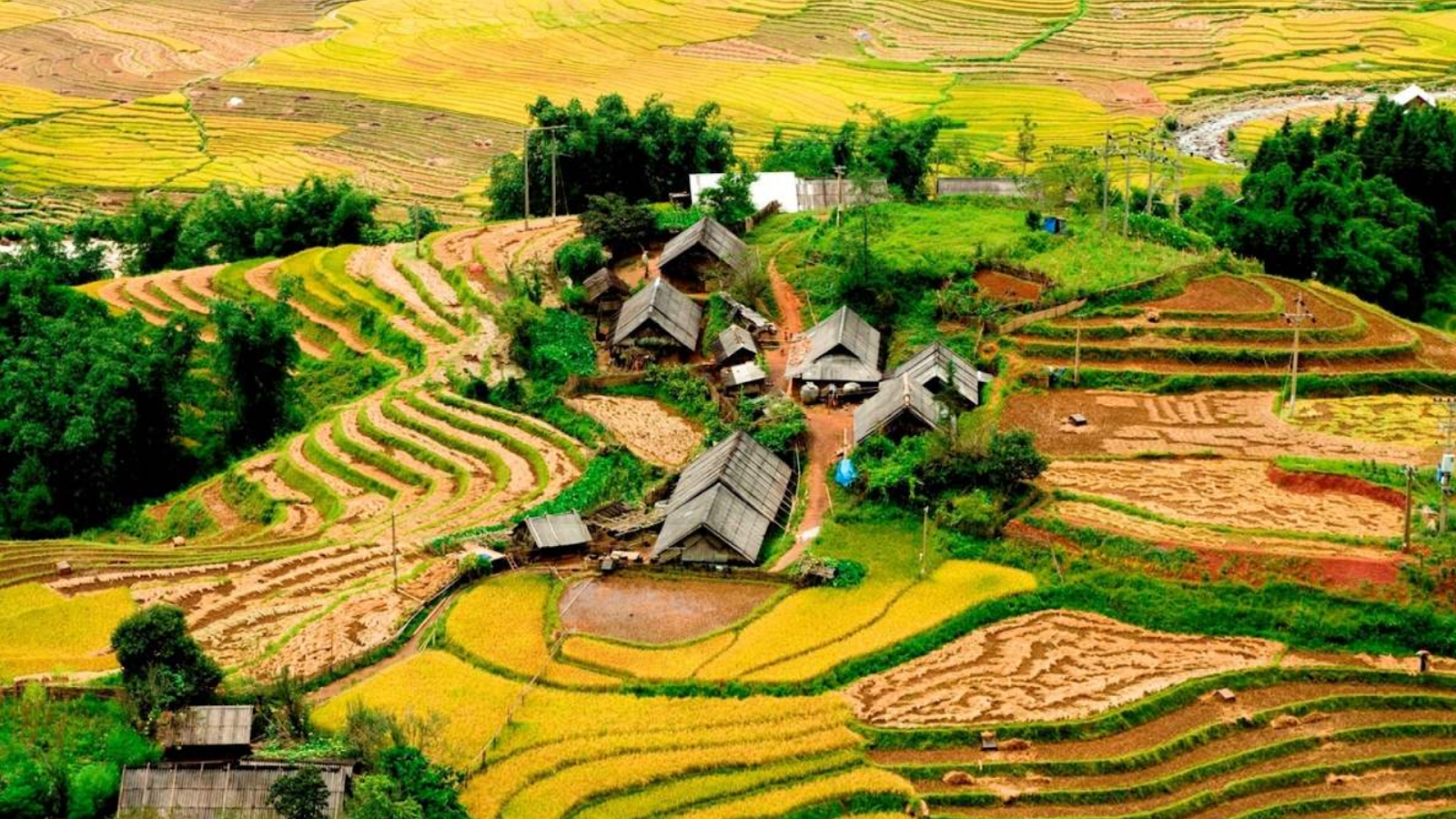
Along the road, you’ll discover remarkable scenery from Vietnam’s mountainous region. In addition, both sides of the road are lined with blooming flowers. Depending on the season, you’ll see different types of flowers; the most beautiful ones in Sapa are the buckwheat flower (which blooms in March) and the Sapa broccoli flower (which blooms in early winter).
Hike to the Villages of Lao Chải and Tả Van
These two villages offer beautiful hikes accessible to all tourists. Heading toward the picturesque Mường Hoa Valley, you’ll find the village of Lao Chải at the end of the bridge, more than 7 km from Sapa, followed by the village of Tả Van, another 4 km further on. In this peaceful and unspoiled setting, you’ll encounter members of the Hmong, Dao, Tày, and Giáy ethnic groups.
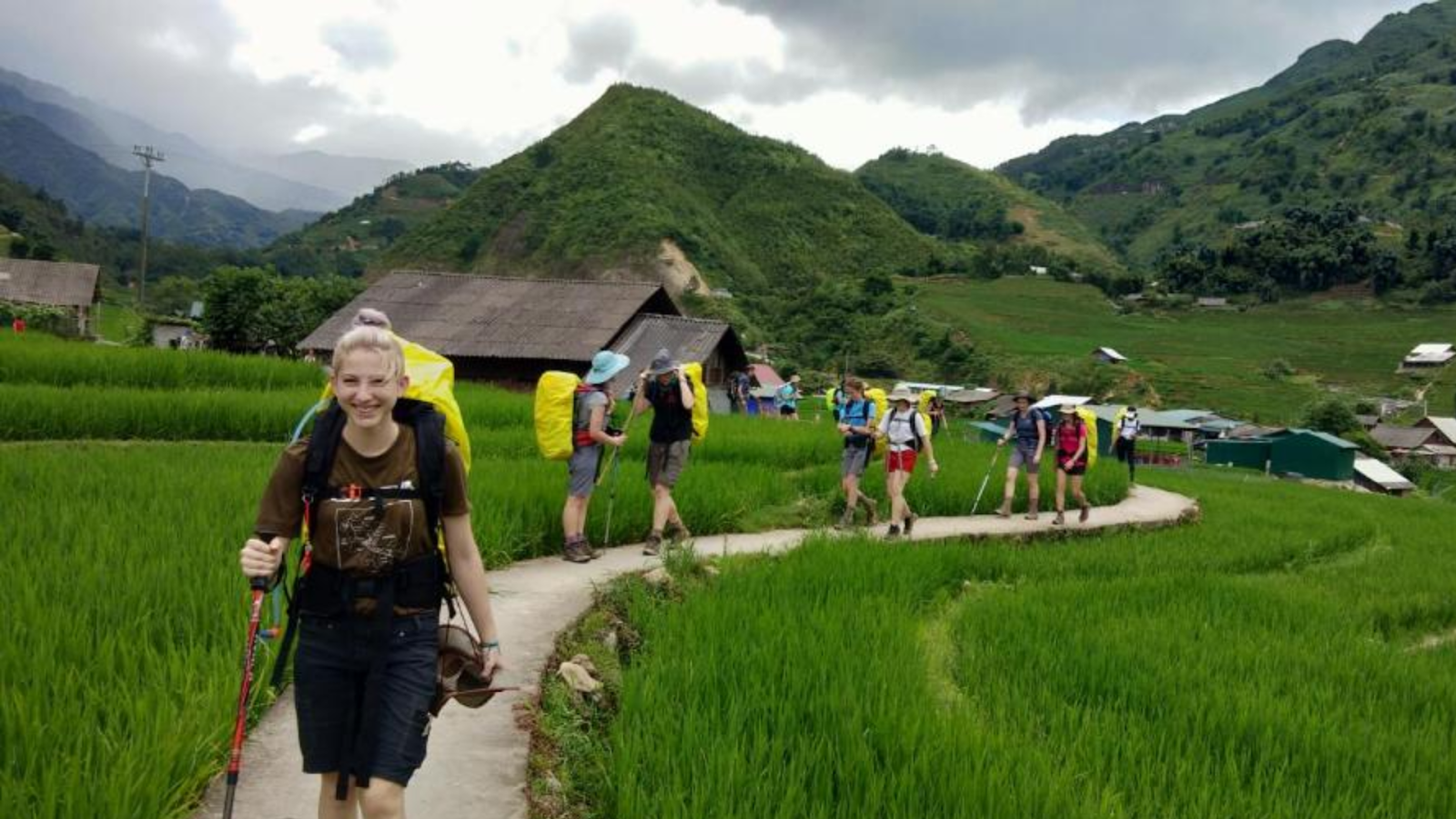
Hiking is undoubtedly the best way to take in the terraced rice fields. The ideal time to visit is during the harvest seasons in April and September, when the golden rice fields will take your breath away.
Cát Cát Village
Another village worth visiting is Cát Cát. It is particularly appealing for its distinctive customs and traditions, which have been preserved in the region despite the influence of modernization in the surrounding area.
The village of Cát Cát is nestled deep in the Mường Hoa Valley, about three kilometers from the town of Sapa. This village was founded in the 19th century after various H’Mong and Dao ethnic families came together. They began growing rice and corn in the region, as well as weaving fabrics and creating handicrafts to make a living.
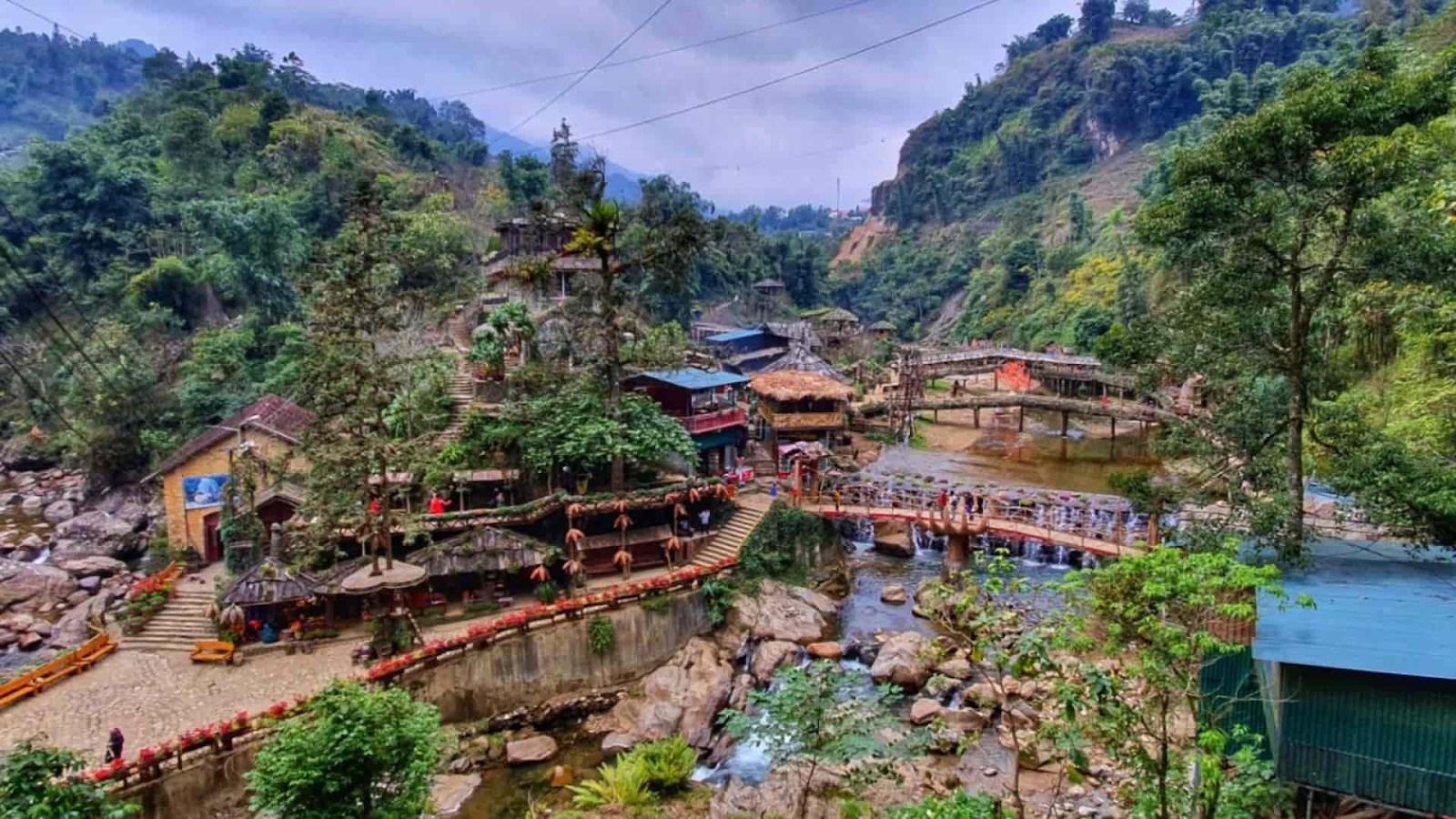
The village is therefore an interesting and easy hiking destination. To reach Cát Cát, allow for a leisurely one-hour walk. To head down to the village of Cát Cát, follow one of Sapa’s main roads to the trailhead. Once you arrive in Cát Cát, the trail continues toward Mount Fansipan for a more challenging hike. The journey is picturesque and beautiful, but quite strenuous. Fortunately for you, getting to the village isn’t that difficult, as you’ll mainly encounter paved paths and steps.
Meeting Ethnic Minorities
Finally, we conclude this list of activities by highlighting encounters with the local people. In fact, throughout all your activities in Sapa, you’ll be immersed in this unique world of ethnic life. This is truly Sapa’s greatest treasure: an ancestral way of life that, through its traditions, resists the encroachment of modern life.
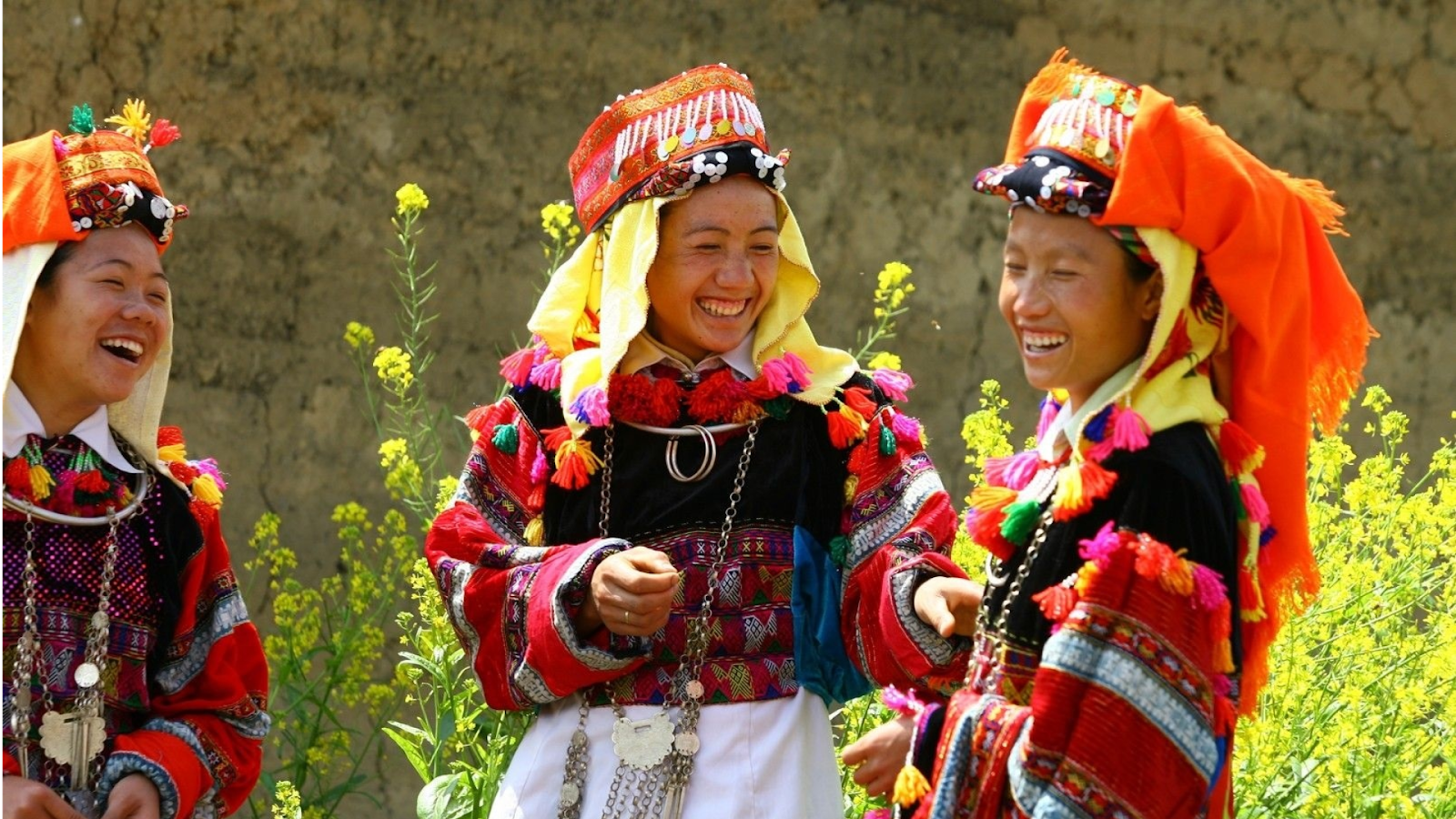
They still pull carts with their water buffalo, wade through mud, cook over wood fires, wash in cold water, and often walk barefoot… Their lives seem difficult. However, they are far from worrying about spending too much time on their cell phones (though that’s changing fast!). An evening spent with them—chatting and observing their simple daily lives—will make you reflect on the true values of existence. Who is happier? A big question… That evening, you’ll learn more about others and about yourself!
Where to Eat in Sapa?
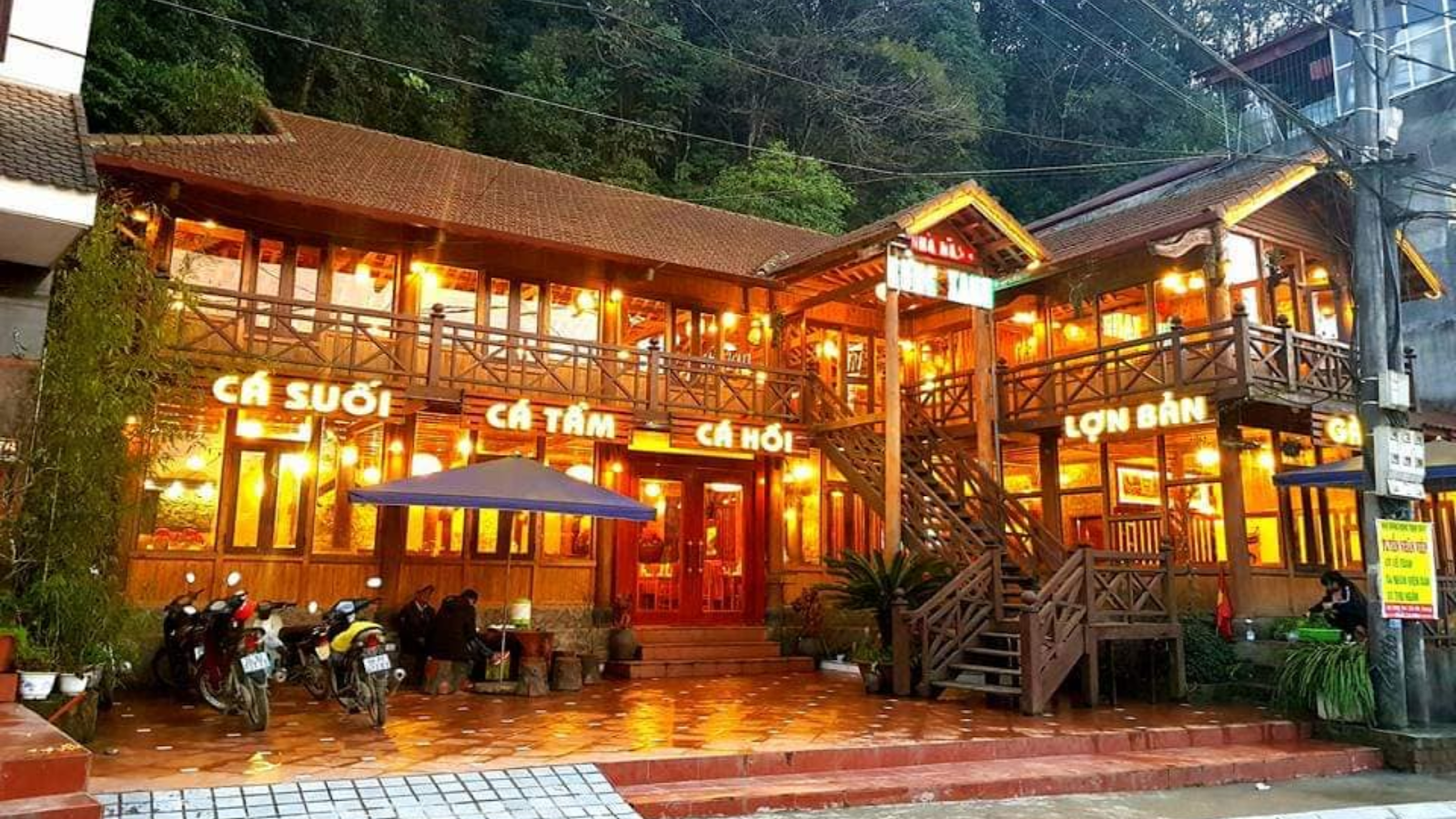
In addition to the delicious meals prepared by local families if you’re staying with a host family, Sapa offers a wide selection of restaurants. If you’re looking for a good meal in Sapa, head to Cầu Mây Street, the main street where most restaurants and cafés are located.
-
The Moment Romantic restaurant is recommended for a high-quality Vietnamese meal. The menu is varied, the ingredients are fresh, and there are plenty of vegetarian options. It’s a mid-range restaurant.
-
If you’re looking for a local experience, try a Vietnamese hot pot to warm up on a cold night. Gerbera Restaurant is a great choice. You’ll enjoy the rustic charm of this local restaurant and its authentic décor.
-
Those with a sweet tooth will love Le Gecko. This place’s pastries are the best in town. Plus, it also serves delicious meals in a very cozy setting. It’s a wooden house belonging to the H’Mông ethnic minority that’s over 50 years old.
-
As a typical tourist, you might find yourself craving Western food. If you’re in the mood for a good pizza, Delta Restaurant is known for its reasonable prices and well-prepared Italian dishes. They also serve Vietnamese cuisine.
Our Itinerary Tips for a Trip That Includes Sapa
We hope you find the tips and information in this article useful. However, if you’re wondering how best to include this destination in your trip to Vietnam, check out our trip planning guides:
-
[Guide to Traveling in Northern Vietnam] (link to the corresponding page on your site)
-
[Guide to a North-to-South Vietnam Tour] (link to the corresponding page on your site)
You can also let us know your preferences, and we’ll send you a customized itinerary with pricing.
See you soon with LDA Vietnam Travel!