History and Mysteries of Ha Long Bay
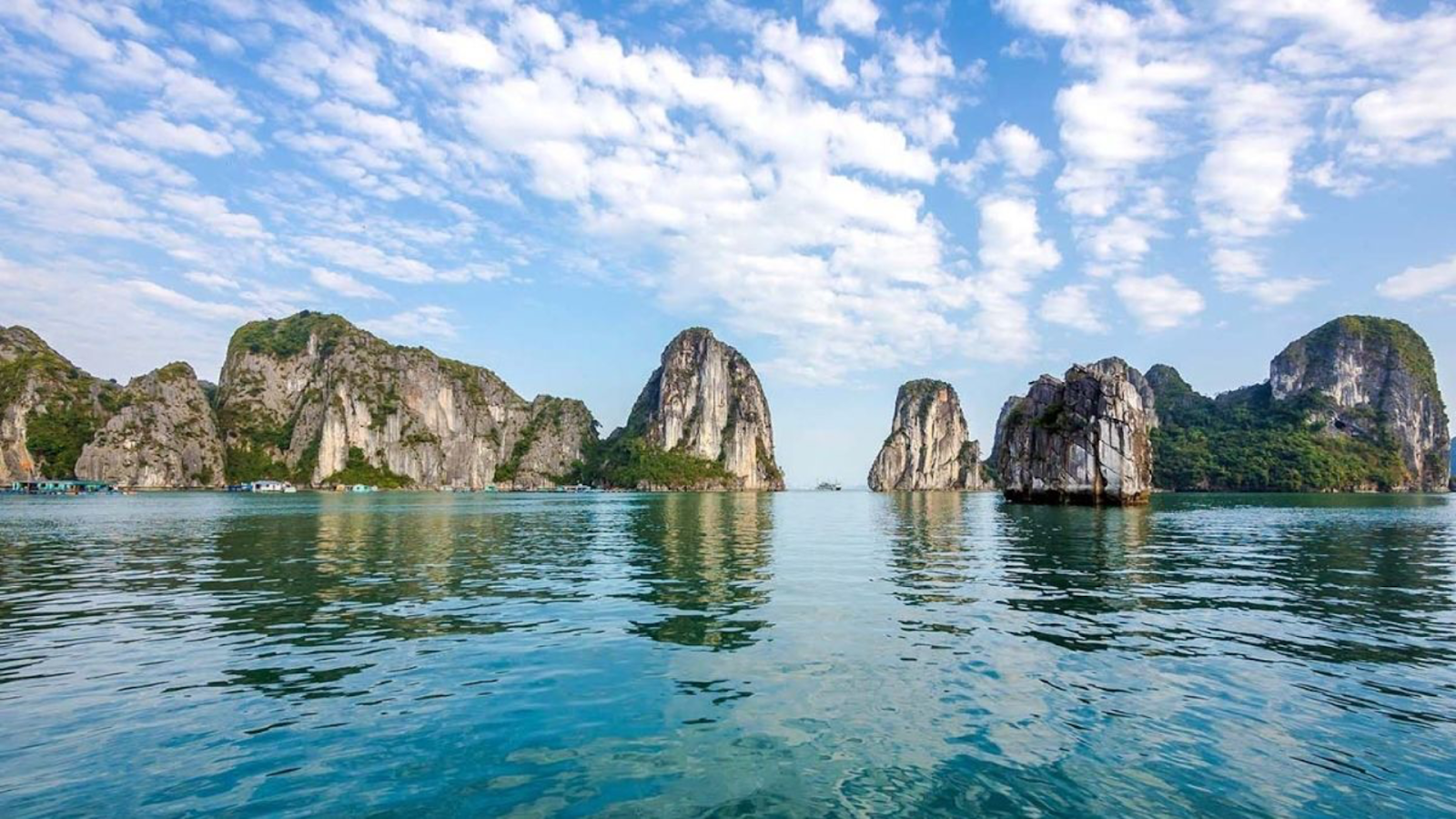
Recognized as a UNESCO World Heritage Site, Ha Long Bay covers an area of 1,500 km² and is home to approximately 1,600 islands and islets with breathtakingly steep cliffs, often shrouded in mist. Its name, “Ha Long,” means “descending dragon” in Vietnamese, evoking a fascinating legend.
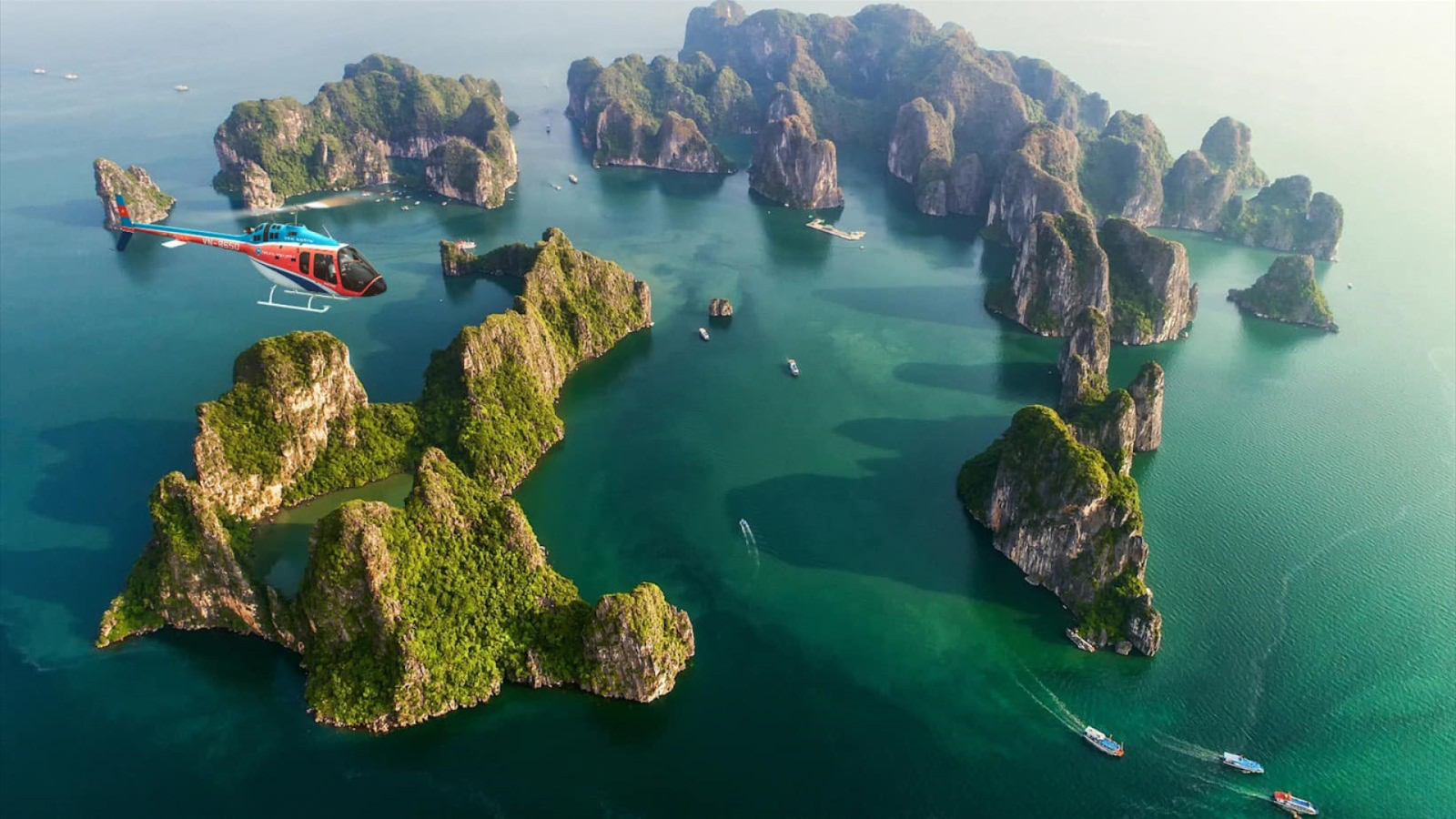
The story goes that dragons, sent from the heavens by the Jade Emperor, helped the Vietnamese repel invaders by spitting out thousands of pearls that turned into islands. These rock formations are said to have shattered the enemy’s ships, securing victory for the Vietnamese. Even today, Ha Long Bay remains a fundamental symbol of the nation for many Vietnamese, as well as a place of exceptional and picturesque beauty for tourists from around the world.

Scientifically, these islands formed from limestone formations dating back 300 to 350 million years. Erosion has patiently sculpted them, creating steep-sided “sugar loaves,” natural arches, narrow passages, and inner bays, forming a veritable marine labyrinth where it is a pleasure to get lost on an unforgettable exploration.