
The Quintessence of Royal Cuisine in Huế: An Unforgettable Sensory Journey
Huế, the former imperial capital of Vietnam, is home to an exceptional culinary treasure: the royal cuisine of Huế. Inherited from the Nguyễn dynasty, this refined cuisine combines tradition, creativity, and an unparalleled art of the table. Each dish is a true work of art, blending exquisite flavors with elegant presentation. Huế’s royal cuisine embodies elegance and refinement, offering a unique sensory experience that continues to captivate food lovers around the world.
In this article, we invite you to discover the quintessence of this Vietnamese culinary art, from its imperial origins to its contemporary expressions.
Origins and Philosophy of Huế’s Royal Cuisine
Huế’s royal cuisine, a symbol of Vietnamese culinary refinement, has its deep roots in the era of the Nguyễn Dynasty (1802–1945). When Emperor Gia Long established Huế as the capital of Đại Nam, the city quickly became a major cultural and political center. For more than 140 years, the Nguyễn emperors developed a unique culinary tradition, influenced by the need to demonstrate the court’s power and sophistication.
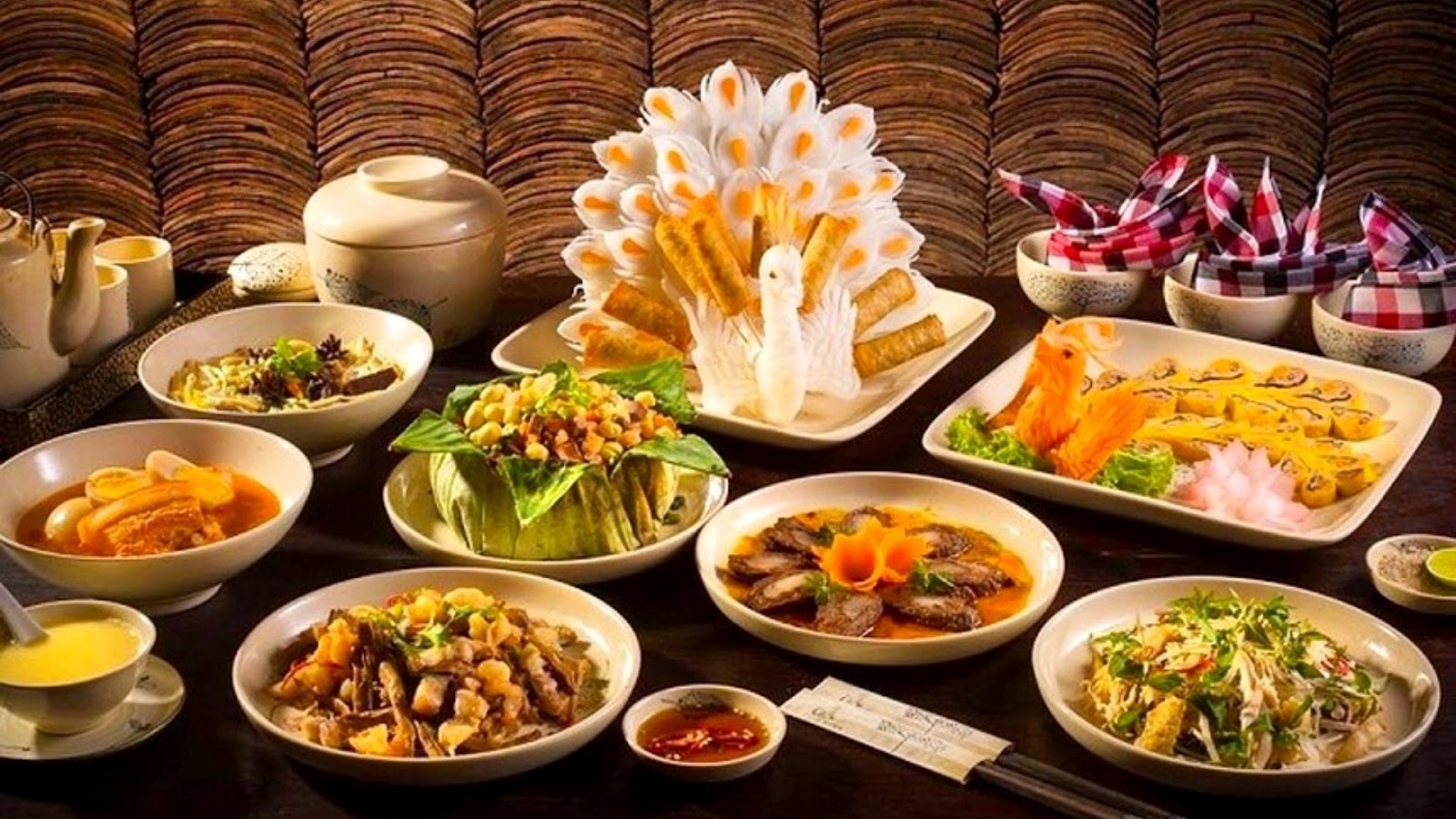
The emperors, known for their sophisticated tastes and high standards, played a crucial role in the development of this cuisine. Each imperial meal was an opportunity to showcase the court’s wealth and refinement, inspiring chefs to create dishes that were not only delicious but also aesthetically pleasing. This demand for perfection drove chefs to innovate and refine their culinary techniques.
Huế’s royal cuisine is inextricably linked to the rituals and traditions of the court. Each dish, carefully prepared and presented, had to adhere to strict rules of protocol and ceremony, adding a sense of solemnity and respect to every meal.
The Excellence and Precision of Imperial Cuisine
Unlike traditional cuisine, the preparation of imperial dishes in Huế required chefs to season the dishes multiple times to ensure perfect flavor. Each dish was typically seasoned at least three times: during marinating, several times during cooking, and finally just before serving.
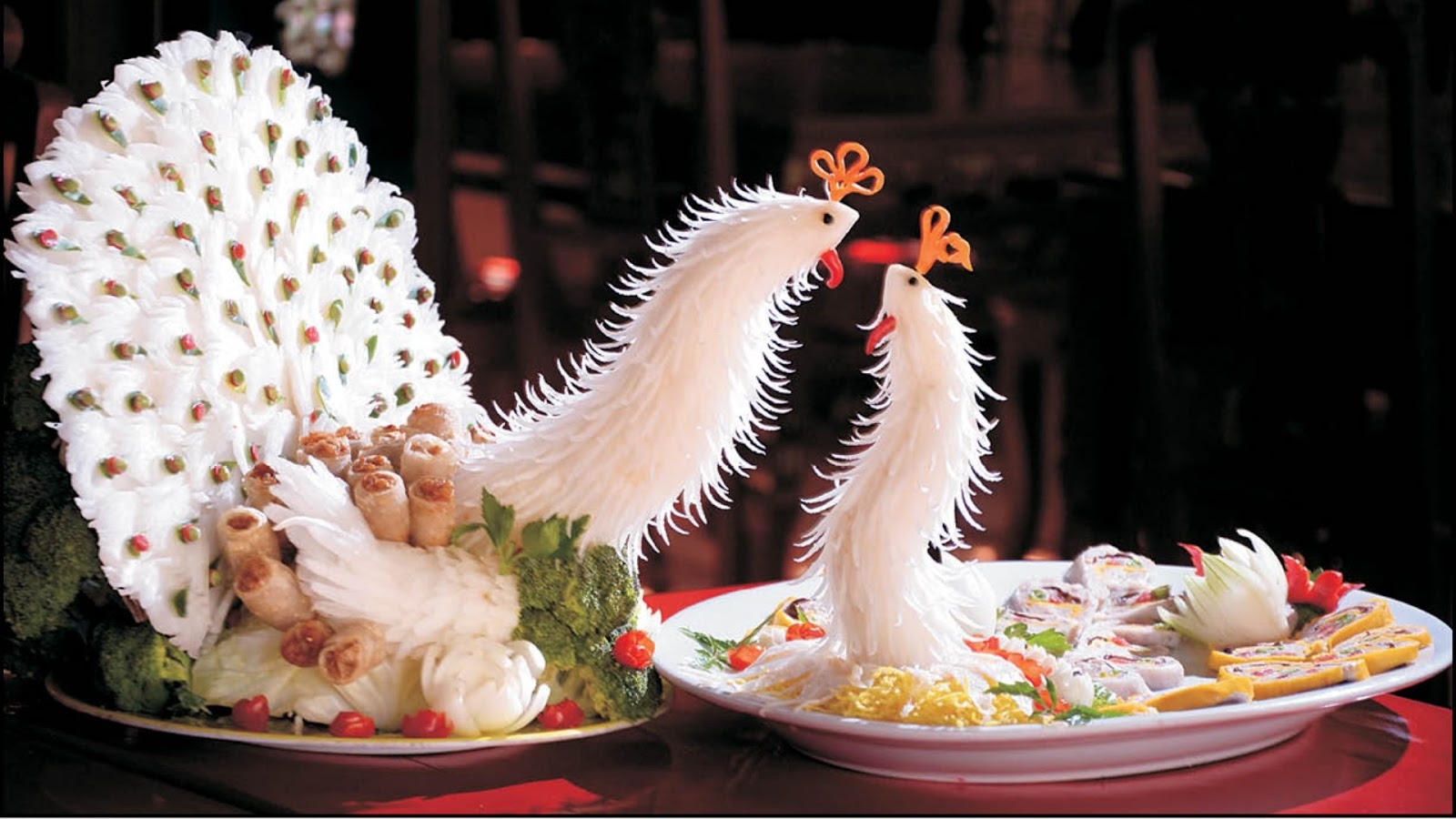
According to historical records, numerous laws, rules, and rituals governed royal cuisine in Huế, covering the selection of ingredients, the preparation of dishes, table arrangement, service, and even the type of tableware used. Every royal meal was required to include between 35 and 50 dishes, several of which were part of the “bát trân,” the eight most precious dishes. These dishes included delicacies such as Chả Phượng (phoenix pâté) and Nem Công (fried peacock spring rolls), as well as exotic ingredients like bear paws and swallow’s nests. Each dish was served in exquisite bowls and plates, placed in gilded lacquered wooden boxes.
The ingredients had to be of the highest quality, sourced from local specialties. All dishes had to be beautifully decorated, clean, and easy to eat. The presentation had to adhere to the principles of symmetry, balance, and harmony. Huế’s imperial cuisine was first savored with the eyes, then with the nose, and finally with the mouth, making for a unique experience. It was the pinnacle of Vietnamese culinary art, with its finesse, complexity, nobility, and allure, expressing the philosophies and aesthetics of gastronomy.
Iconic Dishes and Their Evolution
Today, Huế’s royal cuisine has evolved. With the decline of the feudal dynasty, imperial cuisine spread and brilliantly adapted to popular cuisine. Furthermore, the ingredients of the “bát trân” have changed, with rare animals having been replaced by more accessible and sustainable ingredients, in line with the protection of endangered species.
The people of Huế are renowned for their skill in preparing dishes with attractive colors and captivating presentation. Each dish embodies the philosophy of yin and yang, as well as the profound worldview of the inhabitants of the former capital. The harmony of spices and ingredients is highly valued, ensuring that the dishes are not only delicious but also beneficial to health.
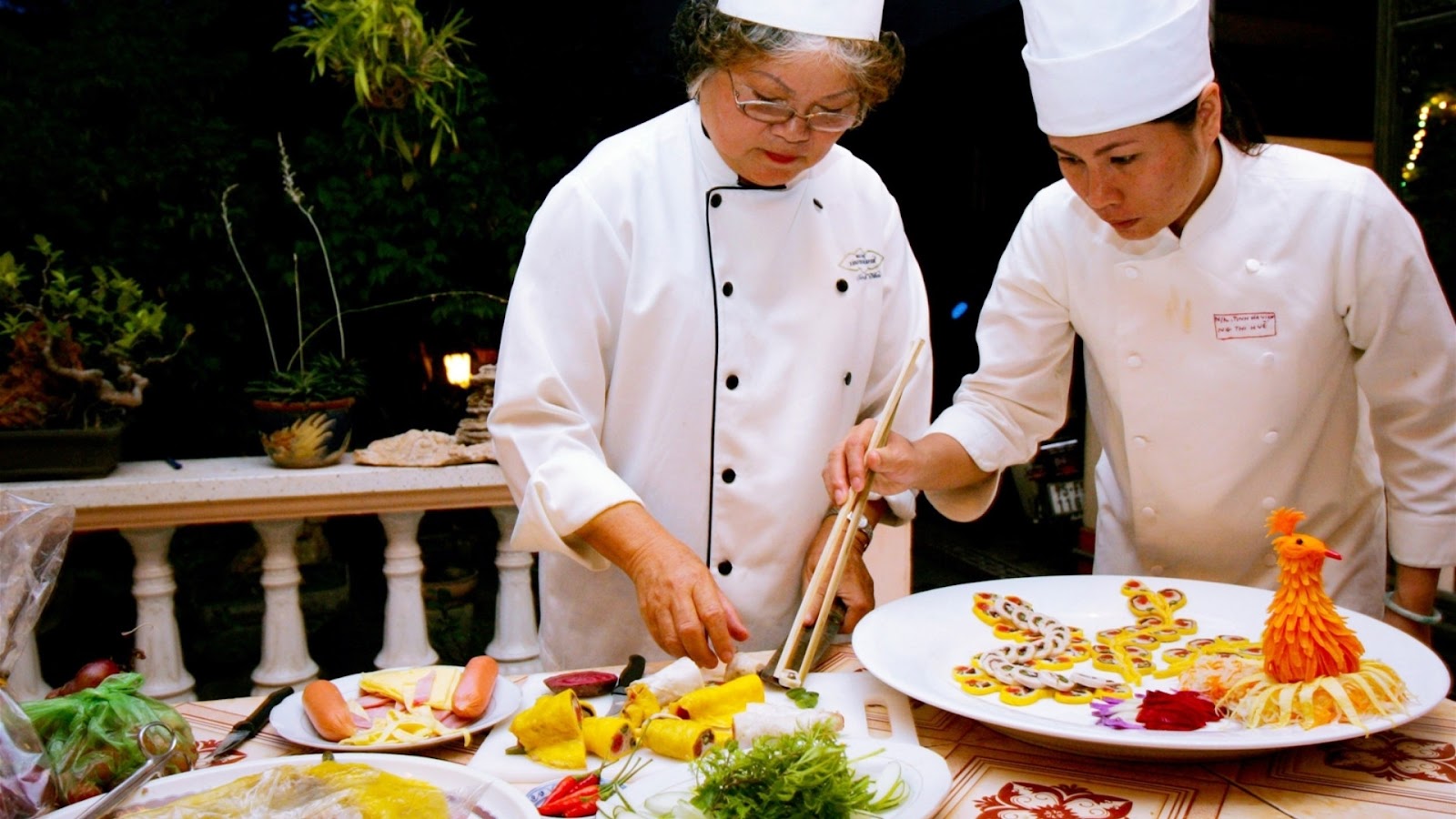
Nem Công – Chả Phượng: Imperial Elegance Redefined
Nem Công and Chả Phượng are symbols of elegance in the royal cuisine of Huế. In the past, these dishes were prepared using rare peacocks and phoenixes, symbols of prestige and refinement. Today, although the recipes have evolved to be more accessible, the dishes have retained their essence. The original ingredients have been replaced with lean meat and giò sống (raw pork pâté), allowing these specialties to become more widely enjoyed without losing their distinctive character or their meticulous and elegant presentation.
Yến Sào (Swallow’s Nest): The Nourishing Treasure
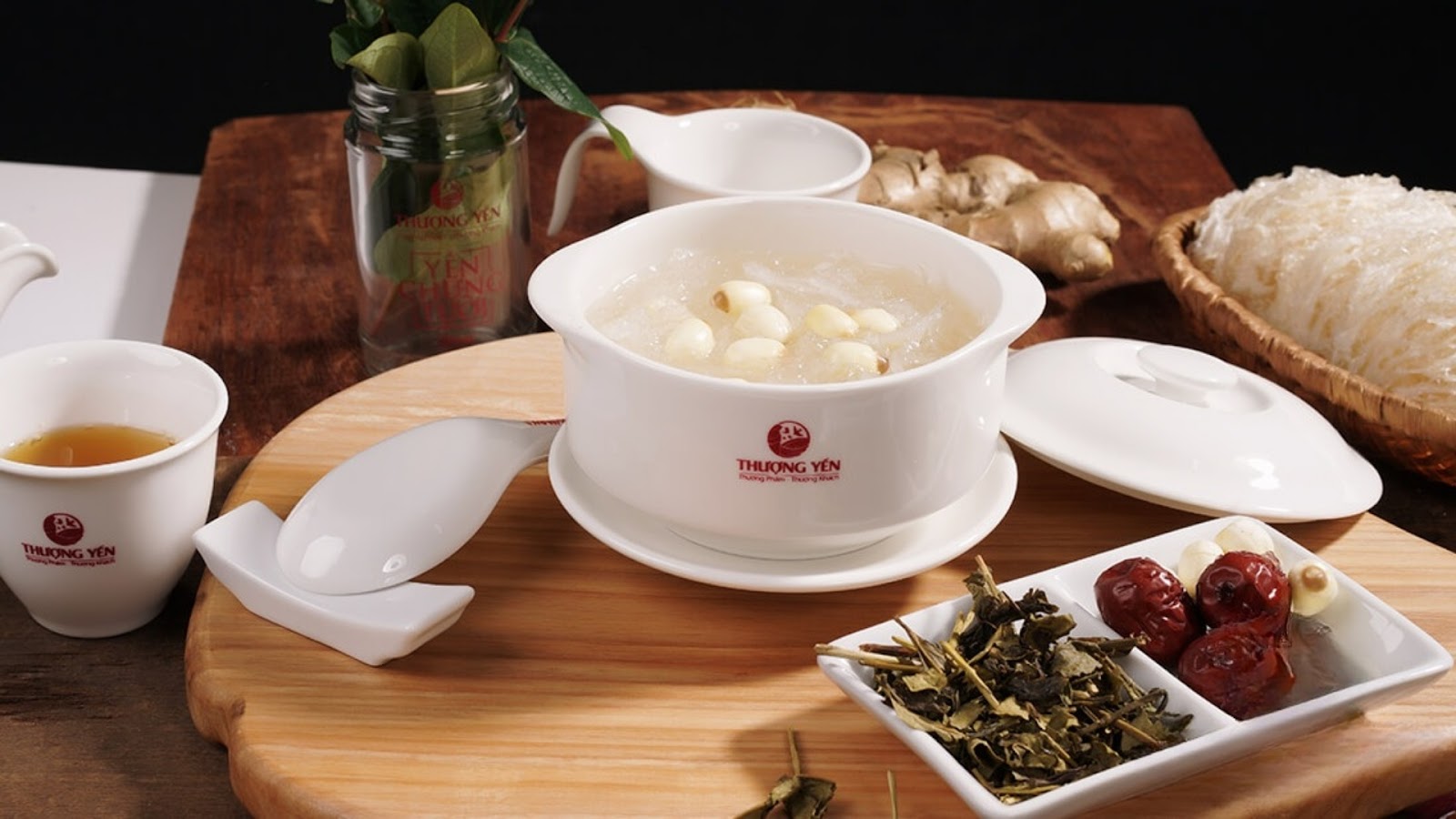
The edible swallow’s nest, a precious and refined ingredient, was often served to kings at imperial banquets. Today, it is used to prepare various delicious and nourishing dishes such as yến sào (edible swallow’s nest), bird’s nest stewed with pigeon meat, and bird’s nest dessert. These dishes continue to fascinate with their harmonious flavors and meticulous presentation, reflecting the imperial culinary art of Huế, which endures and adapts to the modern context.
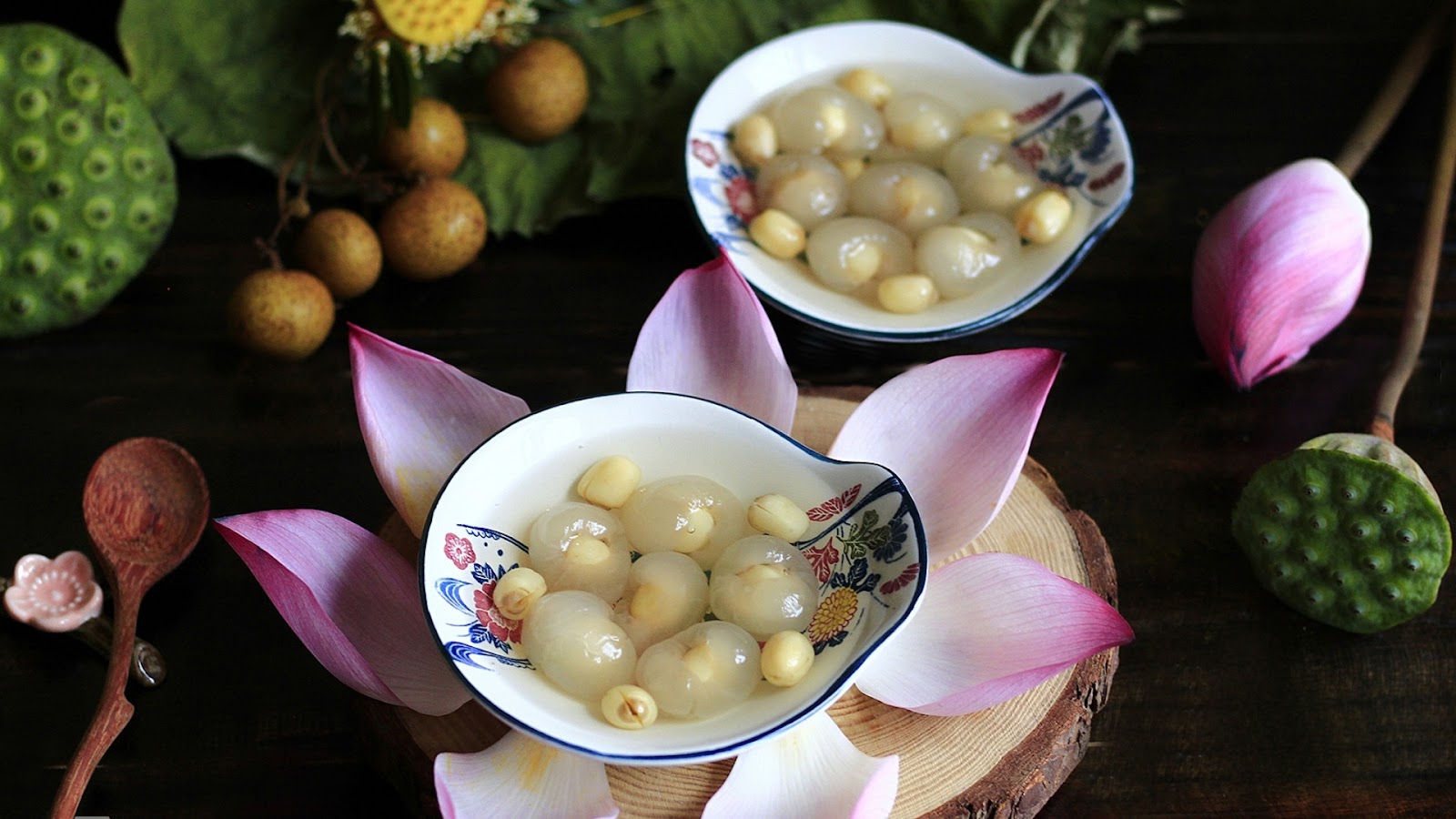
Chè Hạt Sen Long Nhãn (Sweet Soup with Lotus Seeds and Longans): A Floral Delicacy
Despite its apparent simplicity—with just three main ingredients: lotus seeds, longan, and sugar—Chè Hạt Sen Long Nhãn is considered one of the most delicate desserts in Huế’s royal cuisine. This refreshing and health-promoting dish requires specific lotus seeds from Huế to ensure a rich flavor and creamy texture, as well as longans with crisp, sweet flesh. Today, this dessert is widely available, from street stalls to elegant restaurants, reflecting the enduring popularity of royal cuisine.
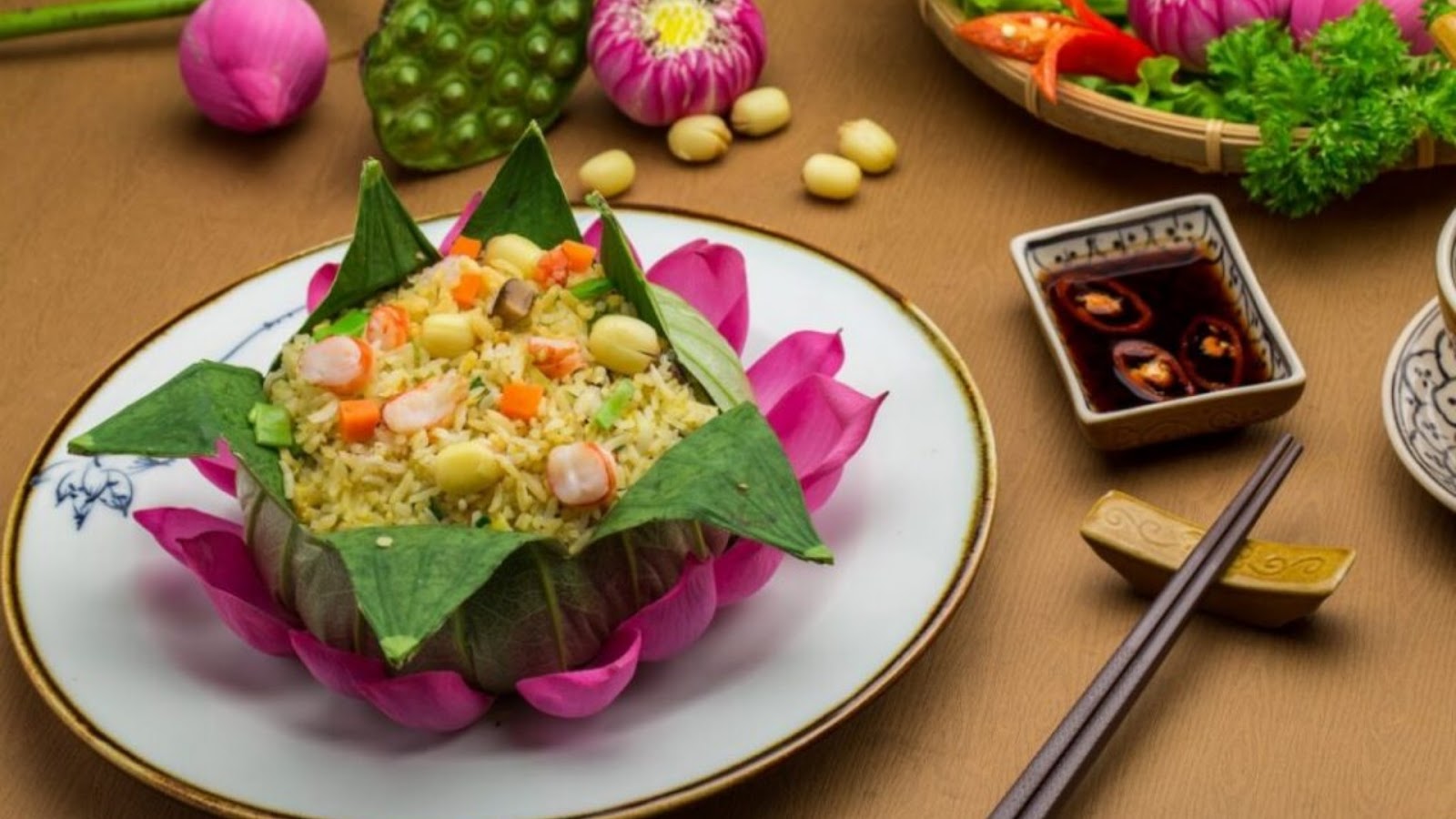
Cơm Sen Cung Đình (Lotus Leaf Rice): A Visual and Culinary Masterpiece
In the past, Cơm Sen Cung Đình Huế was a dish reserved for the kings of the Nguyễn dynasty. Today, it has become so popular that it is served at weddings, birthdays, and other celebrations. This dish is designed to resemble a magnificent lotus flower in full bloom. The filling consists of fragrant rice, lotus seeds, Vietnamese pâté, fried eggs, chicken, shrimp, and vegetables. All these ingredients are wrapped in a lotus leaf, subtly infused with the fresh, sweet scent of the lotus flower, offering a delicious and visually captivating experience.
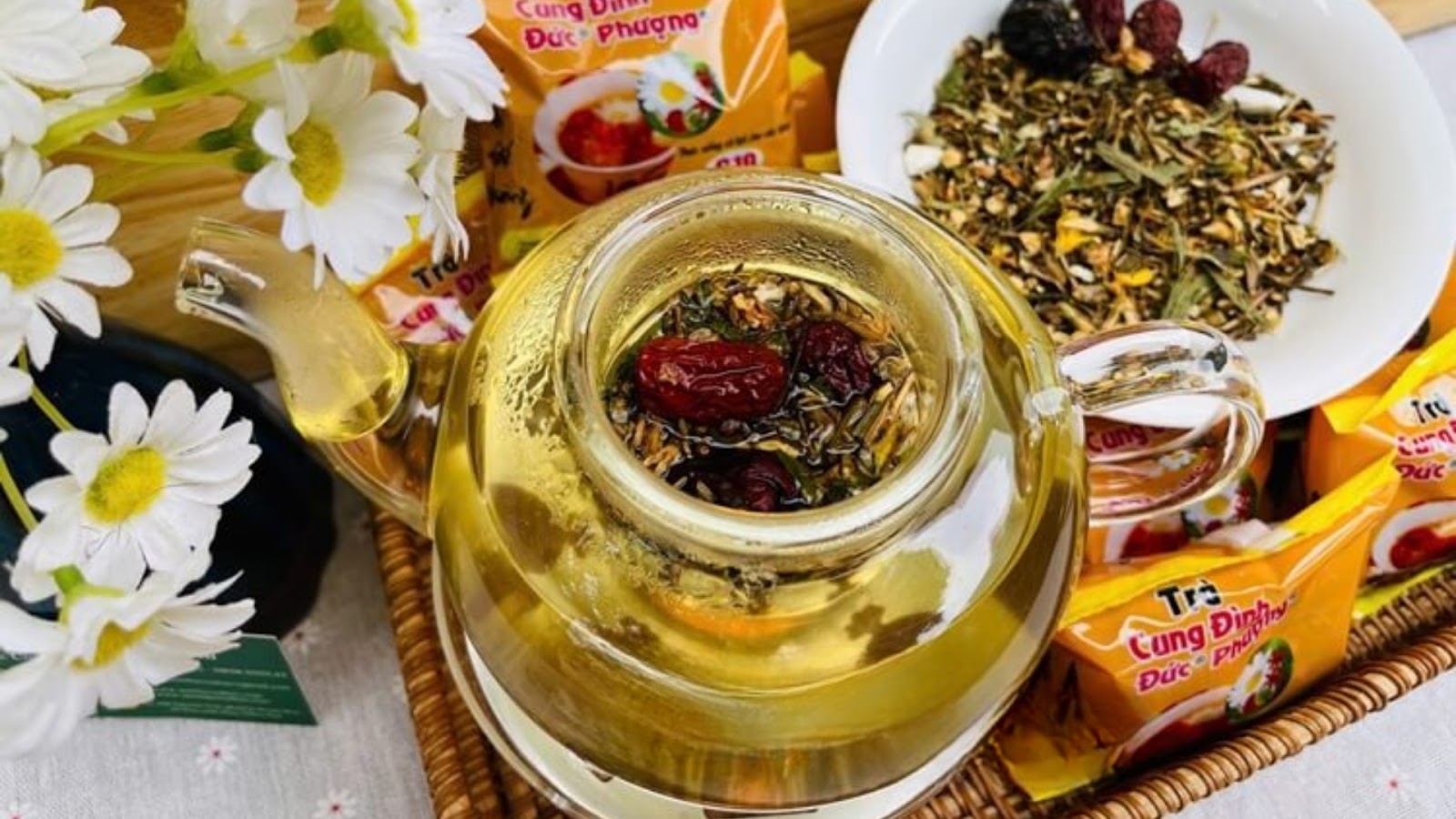
Huế Imperial Tea: The Elixir of Well-Being
Huế Imperial Tea, once served in the palaces of the Nguyễn dynasty, is a symbol of Huế’s royal cuisine and its refinement. Today, this tea—prepared from precious herbs—is widely consumed for its health benefits and is suitable for all ages. Composed of various rare medicinal herbs such as chrysanthemum, licorice, ginseng, and lotus, it promotes relaxation, detoxification, and a stronger immune system. Its unique flavor, with floral and slightly sweet notes, makes it a delightful beverage to enjoy at any time. It is also a prized souvenir, often given as a gesture of respect and care, evoking the era of the Vietnamese empire.
Huế’s royal cuisine embodies the refined and sophisticated culinary heritage of the Vietnamese royal court. From the ancient preparation of luxurious dishes using rare ingredients such as peacock and phoenix to their modern adaptations with more accessible ingredients, this cuisine has evolved while preserving its essence. Thus, Huế’s royal cuisine, with its unique blend of tradition and modernity, continues to represent the quintessence of Vietnamese culinary art. It offers not only an exceptional gastronomic journey but also a deep dive into the history and culture of Huế—the former imperial capital of Vietnam.
We hope this exploration of Huế’s royal cuisine has made your mouth water.
Have you ever tasted these imperial delicacies?